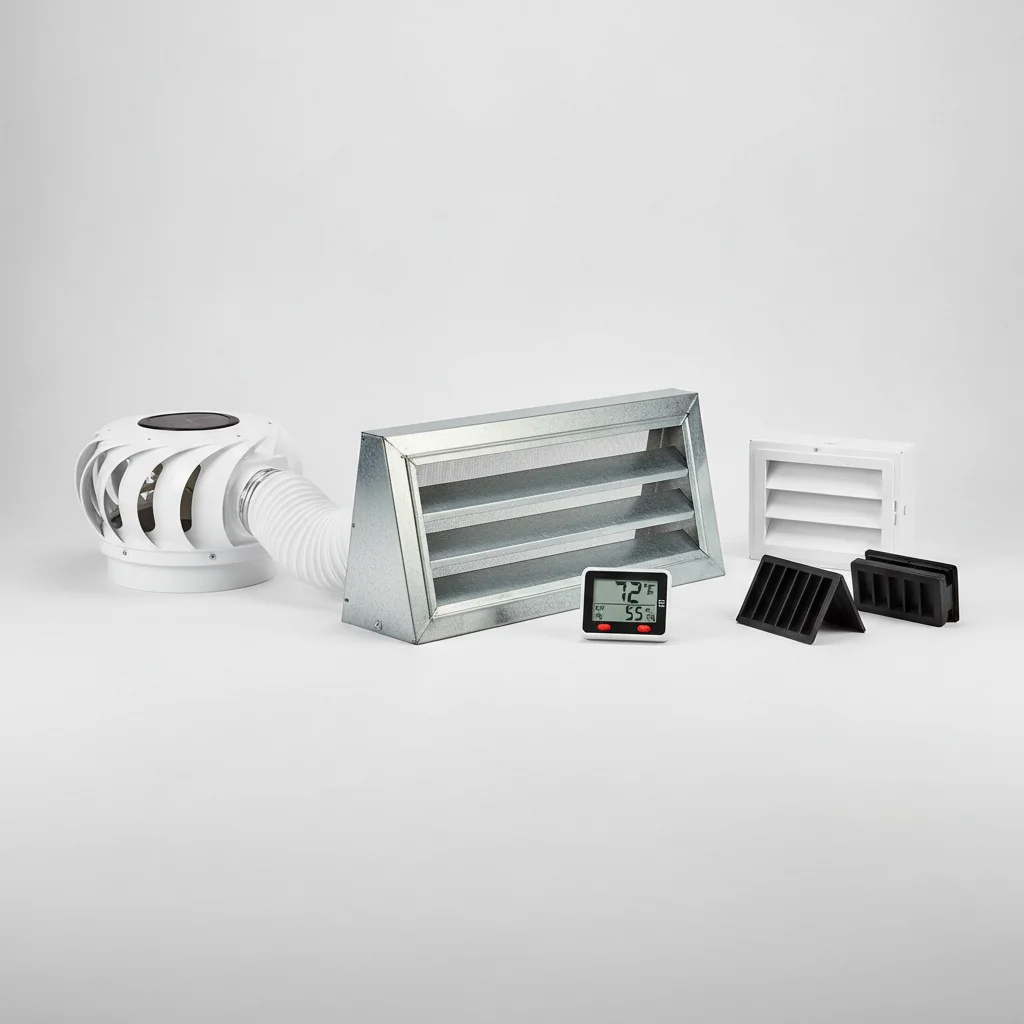
Proper storage shed ventilation is crucial for maintaining the integrity of your stored items and the longevity of the shed itself. Without adequate airflow, moisture can build up, leading to mold, mildew, rust, and unpleasant odors. Implementing effective ventilation strategies can prevent these issues, ensuring your tools, equipment, and other valuables remain in excellent condition. There are five key methods to achieve optimal ventilation in any storage shed.
Why Ventilation Matters for Your Storage Shed
Ventilation is not just about comfort; it’s about preservation. Stagnant air inside a shed can trap humidity, especially in climates with fluctuating temperatures or high rainfall. This trapped moisture creates an ideal environment for fungal growth on wooden structures and stored fabrics, and accelerates corrosion on metal tools and machinery. Good ventilation helps regulate temperature, reducing extreme heat buildup in summer and minimizing condensation in colder months, which can also contribute to moisture problems.
Understanding Different Ventilation Methods
There are several effective ways to ventilate a storage shed, each with its own benefits. The most common methods include passive vents, gable vents, ridge vents, turbine vents, and powered exhaust fans. The best approach often involves a combination of these, tailored to your shed’s size, location, and the type of items you store.
- Passive Vents: These are simple, non-mechanical vents typically installed near the top and bottom of the shed walls. They rely on natural convection, where warm air rises and exits through upper vents, drawing cooler air in through lower vents.
- Gable Vents: Located in the triangular section of a shed’s gable end, these vents allow for cross-ventilation, especially effective when paired with another gable vent on the opposite side.
- Ridge Vents: Installed along the peak of the roof, ridge vents provide continuous exhaust for rising hot air, working in conjunction with soffit vents or other intake vents.
- Turbine Vents: These roof-mounted vents use wind power to spin and draw hot, stale air out of the shed, offering a more active form of passive ventilation.
- Powered Exhaust Fans: For maximum airflow control, an electrically powered exhaust fan can be installed. These are particularly useful in larger sheds or those storing items highly sensitive to humidity.
Installing Passive and Gable Vents
|
Our Picks for the Best Storage Shed in 2026
As an Amazon Associate I earn from qualifying purchases.
|
||
| Num | Product | Action |
|---|---|---|
| 1 | Happy Travel Bike Storage Tent Shed, Outdoor Waterproof Bicycle Covers Shelter with Window for 2/4/6/8 Bikes,Oversized Outside Portable Sheds for Lawn Mower,Garden Tools (Black) |

|
| 2 | Bike Storage Tent,for 2-10 Bikes, 118 x 86 x 72 in Outdoor Portable Bike Storage, 210D Oxford Fabric PU4000 Waterproof, 2 Rolling Doors, for Motorcycles or Large Motorcycles, Without Floor |
|
| 3 | 39.4" Larger Storage Shed Tent for Bike Motorcycle ebike eScooter Lawn Mower Outdoor Canopy Shelter Protection with Water Resistant Dustproof Windproof and Sunproof for RV Travel |
|
| 4 | Happy Travel Bike Storage Shed Tent,Outdoor Portable Bicycle Storage Sheds with 210D Oxford Fabric PU4000 Waterproof for 2/3/4/6/8 Bikes,Bike Covers Shelter for Motorcycle,Garden Tools,Toys,Lawn Mower |
|
| 5 | Housolution Bike Storage Tent Shed for 5 Bikes, Outdoor Portable 210D Oxford Thick PU4000 Waterproof Bike Cover with Ventilated Window, Bike Tent Fit for Bicycle, Lawn Mower, Garden Tools |
|
| 6 | Happy Travel Bike Storage Tent Shed, Outdoor Waterproof Bicycle Covers Shelter with Window for 2/3/4/6/8 Bikes,Oversized Outside Portable Sheds for Lawn Mower,Garden Tools |
|
| 7 | Bike Tent, 81 * 39 * 65 in Outdoor Portable Storage Sheds, 210D Oxford Thick Waterproof Fabric,PU4000 Waterproof for 2/3/4 Bikes,Bike Covers for Motorcycle,Garden Tools,Lawn Mower |
|
| 8 | Bike Storage Shed Tent, Outdoor Bicycle Storage Shed, Waterproof Portable Bike Covers Shelter, 7.2x4.9x6.1ft Large Garage Tent for Motorcycle, Garden Tools, Lawn Mower |
|
| 9 | Bike Storage Shed Tent,Bike Cover Waterproof Outdoor Storage Shed with 30% More Top Storage Space for 4-5Bikes,Portable Bicycle Shelter for Motorcycle,Garden Tools,Lawn Mower |
|
| 10 | Happy Travel Bike Storage Tent, Outdoor 8×7×6.3ft Large 2-in-1 Portable Shed More 30% Top Space W/Double Doors with Mesh, Outside Lawn Mower Shelter and Bicycle Cover for Patio Furniture, Garden Tools |
|
For most standard storage sheds, a combination of passive and gable vents offers a cost-effective and efficient ventilation solution. When installing passive vents, place them strategically: lower vents on one side for air intake and upper vents on the opposite side for air exhaust. This creates a natural airflow path. Gable vents are best installed high up in the gable ends, ensuring they are unobstructed by internal shelving or stored items. Ensure that any vent openings are covered with a fine mesh screen to prevent insects and rodents from entering your shed.
Consider the prevailing wind direction when positioning your vents to maximize natural air movement. For optimal performance, ensure the total area of your intake vents is roughly equal to the total area of your exhaust vents. This balance prevents negative pressure and ensures a continuous flow of fresh air.
Adding Roof-Based Ventilation: Ridge and Turbine Vents
For sheds with pitched roofs, ridge vents and turbine vents can significantly enhance overall ventilation. A ridge vent runs along the entire peak of the roof, providing a continuous opening for hot air to escape. It works best when paired with soffit vents or other low-level intake vents to create a complete air circulation system. Turbine vents, on the other hand, are individual units that sit on the roof and spin with the wind, actively pulling air out of the shed. They are particularly effective in windy areas and can be a good alternative if a full ridge vent system isn’t feasible. Both options help prevent heat buildup and moisture condensation in the attic space of your shed.
When to Consider Powered Ventilation
While passive and roof-based systems are effective for many sheds, some situations call for powered ventilation. If you store sensitive equipment, chemicals, or frequently work in your shed, a powered exhaust fan can provide superior air exchange. These fans can be thermostatically controlled, turning on automatically when the internal temperature reaches a certain point, or manually operated. Solar-powered fans are an excellent option for sheds without easy access to electricity, offering an eco-friendly and cost-effective solution. When installing a powered fan, ensure it is properly sized for your shed’s volume to achieve the desired air changes per hour.
