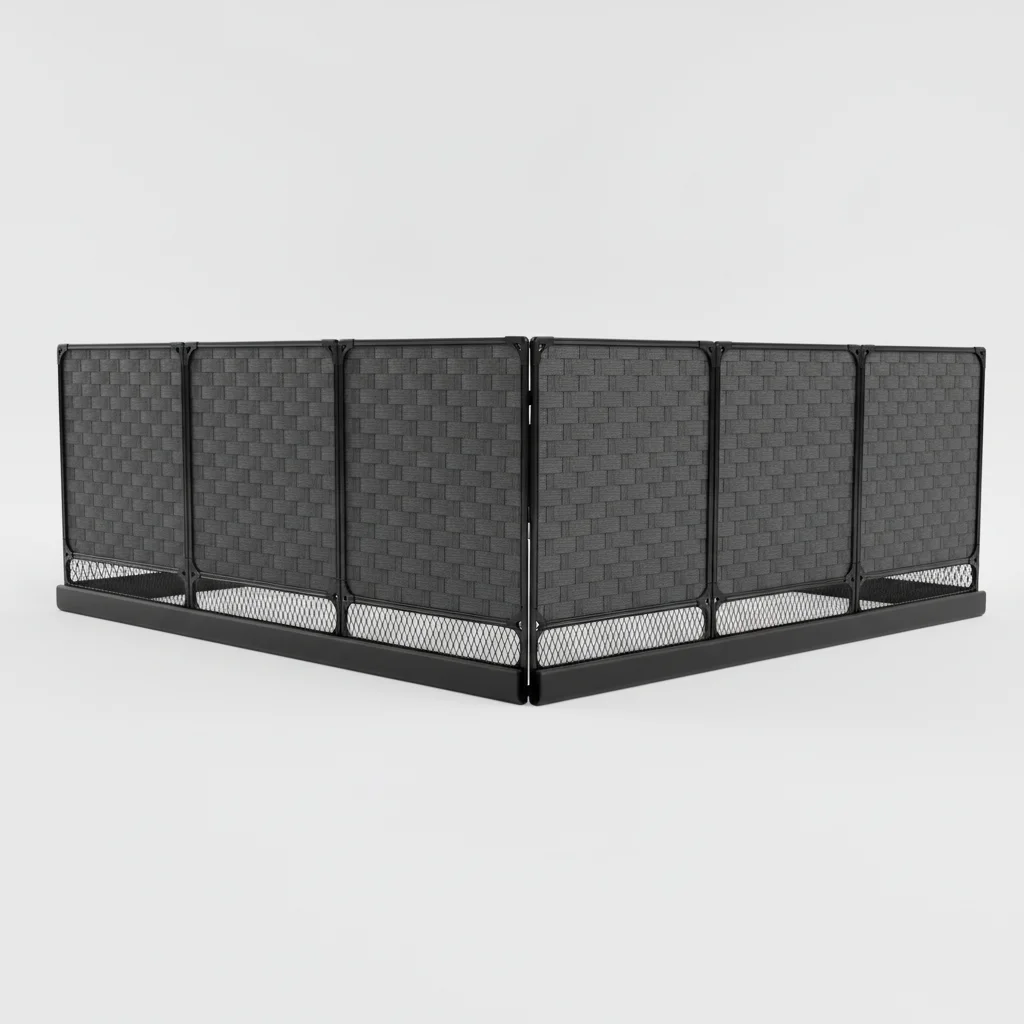
Storage shed skirting is a crucial addition for many homeowners, particularly if you’re looking to deter pests and improve the aesthetic appeal of your outdoor structure. While not strictly mandatory for all sheds, installing skirting can significantly reduce issues with rodents, insects, and even moisture accumulation under your shed. It also provides a finished look, concealing the foundation and creating a more integrated appearance with your landscape.
What is Storage Shed Skirting?
Storage shed skirting refers to the material installed around the base of a shed, extending from the bottom edge of the shed walls down to the ground. Its primary purpose is to close off the open space beneath the shed, which is often created by foundations like concrete blocks, skids, or piers. This barrier can be made from various materials, including wood, vinyl, lattice, or even metal, each offering different levels of durability and aesthetic. For compare top outdoor storage on this site.
Benefits of Installing Skirting Around Your Shed
The advantages of adding skirting to your storage shed are numerous. Beyond the immediate visual improvement, skirting acts as a physical deterrent for pests. Small animals like mice, rats, and even snakes often seek shelter in the dark, protected space under sheds. Skirting blocks their access, preventing them from nesting or causing damage to the shed’s underside or stored items. Furthermore, it can help with temperature regulation by reducing drafts under the shed, potentially making it slightly cooler in summer and warmer in winter. It also helps to prevent debris, leaves, and other yard waste from accumulating underneath, making maintenance easier.
- Deters rodents and insects from nesting under the shed.
- Improves the aesthetic appeal by concealing the foundation.
- Reduces drafts and helps regulate under-shed temperature.
- Prevents accumulation of debris and simplifies maintenance.
- Adds a finished, integrated look to your backyard.
Choosing the Right Skirting Material
|
Our Picks for the Best Storage Shed in 2026
As an Amazon Associate I earn from qualifying purchases.
|
||
| Num | Product | Action |
|---|---|---|
| 1 | Bike Storage Shed Tent,Bike Cover Waterproof Outdoor Storage Shed with 30% More Top Storage Space for 4-5Bikes,Portable Bicycle Shelter for Motorcycle,Garden Tools,Lawn Mower |

|
| 2 | Bike Tent, 81 * 39 * 65 in Outdoor Portable Storage Sheds, 210D Oxford Thick Waterproof Fabric,PU4000 Waterproof for 2/3/4 Bikes,Bike Covers for Motorcycle,Garden Tools,Lawn Mower |
|
| 3 | Housolution Bike Storage Tent Shed for 5 Bikes, Outdoor Portable 210D Oxford Thick PU4000 Waterproof Bike Cover with Ventilated Window, Bike Tent Fit for Bicycle, Lawn Mower, Garden Tools |
|
| 4 | Happy Travel Bike Storage Tent Shed, Outdoor Waterproof Bicycle Covers Shelter with Window for 2/3/4/6/8 Bikes,Oversized Outside Portable Sheds for Lawn Mower,Garden Tools |
|
| 5 | Happy Travel Bike Storage Tent, Outdoor 8×7×6.3ft Large 2-in-1 Portable Shed More 30% Top Space W/Double Doors with Mesh, Outside Lawn Mower Shelter and Bicycle Cover for Patio Furniture, Garden Tools |
|
| 6 | Bike Storage Tent,for 2-10 Bikes, 118 x 86 x 72 in Outdoor Portable Bike Storage, 210D Oxford Fabric PU4000 Waterproof, 2 Rolling Doors, for Motorcycles or Large Motorcycles, Without Floor |
|
| 7 | Happy Travel Bike Storage Shed Tent,Outdoor Portable Bicycle Storage Sheds with 210D Oxford Fabric PU4000 Waterproof for 2/3/4/6/8 Bikes,Bike Covers Shelter for Motorcycle,Garden Tools,Toys,Lawn Mower |
|
| 8 | Bike Storage Shed Tent, Outdoor Bicycle Storage Shed, Waterproof Portable Bike Covers Shelter, 7.2x4.9x6.1ft Large Garage Tent for Motorcycle, Garden Tools, Lawn Mower |
|
| 9 | 39.4" Larger Storage Shed Tent for Bike Motorcycle ebike eScooter Lawn Mower Outdoor Canopy Shelter Protection with Water Resistant Dustproof Windproof and Sunproof for RV Travel |
|
| 10 | Happy Travel Bike Storage Tent Shed, Outdoor Waterproof Bicycle Covers Shelter with Window for 2/4/6/8 Bikes,Oversized Outside Portable Sheds for Lawn Mower,Garden Tools (Black) |
|
The best material for your storage shed skirting depends on your budget, desired aesthetic, and the specific challenges of your environment. Pressure-treated wood is a popular choice for its durability and natural look, but it requires regular maintenance like painting or staining. Vinyl skirting offers a low-maintenance option, available in various colors and styles, and is resistant to rot and insects. Metal skirting, such as corrugated steel, provides excellent pest resistance and durability, especially in areas prone to burrowing animals. Lattice skirting, while aesthetically pleasing, may not offer the same level of pest protection unless backed with a finer mesh. Consider the overall look of your home and existing landscaping when making your selection.
For a robust and long-lasting solution, especially in areas with significant pest pressure, consider a solid material like cement board or a tightly woven metal mesh. These options provide a formidable barrier against even determined critters.
Installation Tips for Effective Skirting
Proper installation is key to ensuring your skirting is effective. First, ensure the ground around your shed is level and clear of debris. Dig a shallow trench, if necessary, to embed the bottom edge of the skirting slightly below ground level. This helps prevent pests from burrowing underneath. Secure the skirting panels firmly to the shed’s frame or to stakes driven into the ground. Overlap panels where they meet to avoid gaps. If using wood, ensure it’s treated to resist rot and insects. For vinyl or metal, follow the manufacturer’s instructions for expansion and contraction. Regular inspection for any damage or gaps will help maintain its effectiveness over time.
When Skirting Might Not Be Necessary
While highly beneficial, skirting might not be strictly necessary for every shed. If your shed is built directly on a solid concrete slab foundation that extends beyond the shed’s footprint, there’s no open space underneath for pests to access. Similarly, if your shed is used for very temporary storage and is frequently moved, the effort of installing and removing skirting might outweigh the benefits. However, for most permanent or semi-permanent sheds with elevated foundations, skirting offers significant advantages in terms of pest control, aesthetics, and overall shed longevity.
