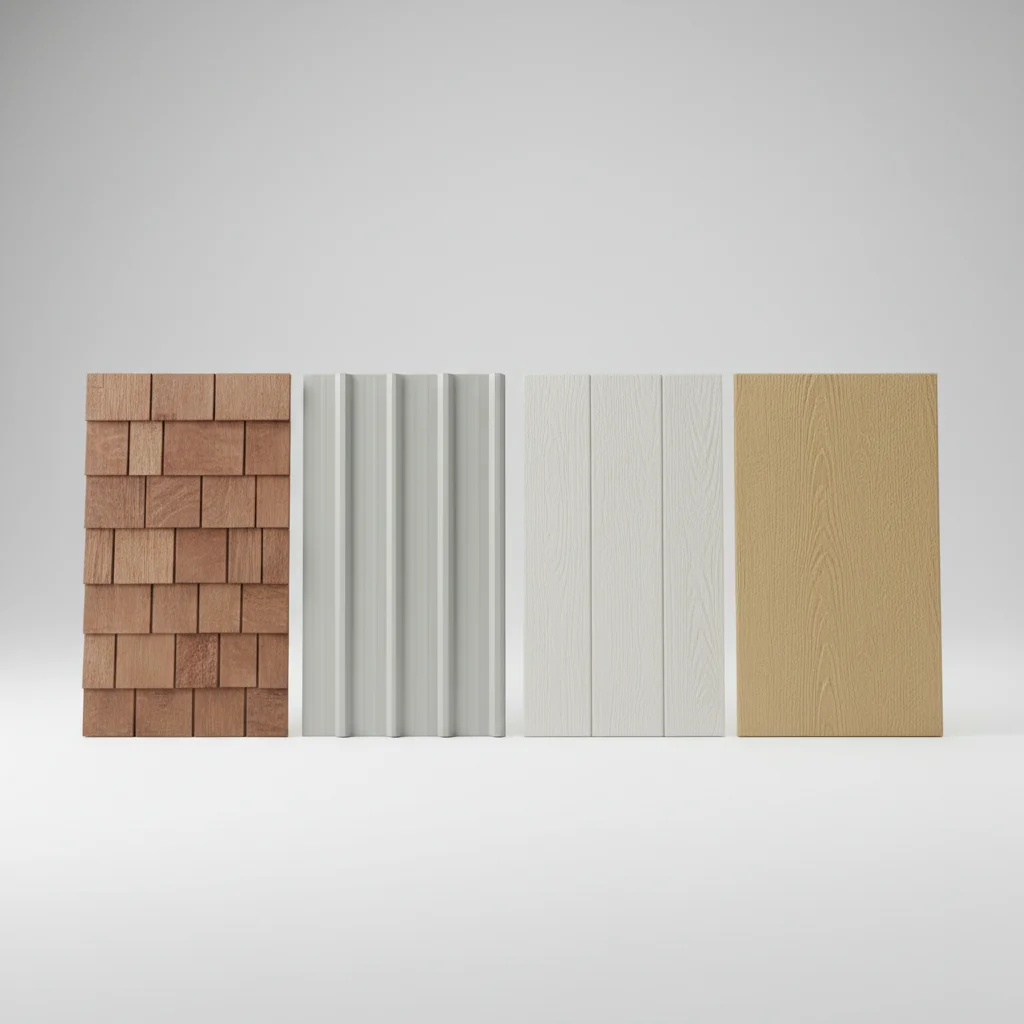
Choosing the right siding for your storage shed is crucial for its longevity, appearance, and protection against Utah’s varied weather. There are typically five main storage shed siding options available, each offering distinct advantages in terms of durability, maintenance, and cost. Understanding these differences will help you select the material that best suits your needs and budget, ensuring your shed remains a valuable asset for years to come.
Vinyl Siding: Low Maintenance and Durable
Vinyl siding is a popular choice for storage sheds due to its exceptional durability and minimal maintenance requirements. It resists rot, insects, and moisture, making it ideal for Utah’s climate, which can experience both harsh winters and dry summers. Vinyl sheds rarely need painting and can be cleaned easily with a hose, maintaining their appearance with little effort. While the initial cost might be slightly higher than some other options, its long lifespan and low upkeep often make it a cost-effective solution over time.
Wood Siding: Classic Aesthetic and Customization
Wood siding offers a classic, natural aesthetic that many homeowners prefer, allowing for extensive customization through painting or staining to match your home or garden. Common types include treated plywood, cedar, and pine. While wood provides excellent insulation and can be very sturdy, it does require more maintenance than vinyl. Regular sealing, painting, or staining is necessary to prevent rot, insect infestation, and weathering. Despite the upkeep, wood remains a favorite for those seeking a traditional look and the flexibility to personalize their shed’s appearance.
- Treated Plywood: Economical and readily available, good for basic sheds.
- Cedar: Naturally resistant to rot and insects, offers a premium look.
- Pine: Versatile and easy to work with, but requires more treatment.
- Engineered Wood: Combines wood aesthetics with enhanced durability.
- HardiePlank: Fiber cement siding, highly durable and fire-resistant.
Metal Siding: Strength and Security
|
Our Picks for the Best Storage Shed in 2026
As an Amazon Associate I earn from qualifying purchases.
|
||
| Num | Product | Action |
|---|---|---|
| 1 | Bike Storage Shed Tent, Outdoor Bicycle Storage Shed, Waterproof Portable Bike Covers Shelter, 7.2x4.9x6.1ft Large Garage Tent for Motorcycle, Garden Tools, Lawn Mower |

|
| 2 | Bike Tent, 81 * 39 * 65 in Outdoor Portable Storage Sheds, 210D Oxford Thick Waterproof Fabric,PU4000 Waterproof for 2/3/4 Bikes,Bike Covers for Motorcycle,Garden Tools,Lawn Mower |
|
| 3 | Happy Travel Bike Storage Shed Tent,Outdoor Portable Bicycle Storage Sheds with 210D Oxford Fabric PU4000 Waterproof for 2/3/4/6/8 Bikes,Bike Covers Shelter for Motorcycle,Garden Tools,Toys,Lawn Mower |
|
| 4 | Bike Storage Shed Tent,Bike Cover Waterproof Outdoor Storage Shed with 30% More Top Storage Space for 4-5Bikes,Portable Bicycle Shelter for Motorcycle,Garden Tools,Lawn Mower |
|
| 5 | Bike Storage Tent,for 2-10 Bikes, 118 x 86 x 72 in Outdoor Portable Bike Storage, 210D Oxford Fabric PU4000 Waterproof, 2 Rolling Doors, for Motorcycles or Large Motorcycles, Without Floor |
|
| 6 | Housolution Bike Storage Tent Shed for 5 Bikes, Outdoor Portable 210D Oxford Thick PU4000 Waterproof Bike Cover with Ventilated Window, Bike Tent Fit for Bicycle, Lawn Mower, Garden Tools |
|
| 7 | 39.4" Larger Storage Shed Tent for Bike Motorcycle ebike eScooter Lawn Mower Outdoor Canopy Shelter Protection with Water Resistant Dustproof Windproof and Sunproof for RV Travel |
|
| 8 | Happy Travel Bike Storage Tent Shed, Outdoor Waterproof Bicycle Covers Shelter with Window for 2/3/4/6/8 Bikes,Oversized Outside Portable Sheds for Lawn Mower,Garden Tools |
|
| 9 | Happy Travel Bike Storage Tent Shed, Outdoor Waterproof Bicycle Covers Shelter with Window for 2/4/6/8 Bikes,Oversized Outside Portable Sheds for Lawn Mower,Garden Tools (Black) |
|
| 10 | Happy Travel Bike Storage Tent, Outdoor 8×7×6.3ft Large 2-in-1 Portable Shed More 30% Top Space W/Double Doors with Mesh, Outside Lawn Mower Shelter and Bicycle Cover for Patio Furniture, Garden Tools |
|
Metal siding, typically made from galvanized steel or aluminum, is renowned for its strength, security, and fire resistance. It’s an excellent choice for storing valuable equipment or in areas prone to wildfires. Metal sheds are highly resistant to pests and can withstand extreme weather conditions. While they are very durable, metal siding can be susceptible to dents and rust if the protective coating is compromised. Proper installation and occasional inspection for scratches are important to maintain its integrity.
Resin Siding: Lightweight and Weather-Resistant
Resin, or plastic, siding is a lightweight and highly weather-resistant option that is gaining popularity. Made from high-density polyethylene (HDPE), resin sheds are impervious to rot, rust, and insects, and they never require painting. They are often pre-fabricated, making assembly relatively straightforward. While generally less expensive than wood or metal, resin sheds might not offer the same level of structural rigidity or customization options. However, for a low-maintenance, easy-to-assemble solution, resin is an excellent choice.
Fiber Cement Siding: Durable and Fire-Resistant
Fiber cement siding, like James Hardie products, combines the durability of cement with cellulose fibers, creating a material that mimics the look of wood but offers superior resistance to fire, pests, and rot. It’s an incredibly long-lasting option that can withstand harsh weather conditions without warping or cracking. While it is heavier and more challenging to install than other materials, and typically comes at a higher cost, its exceptional durability and low maintenance make it a worthwhile investment for a premium, long-lasting shed.
Conclusion: Making the Best Siding Choice
The best storage shed siding option for you depends on your priorities regarding budget, maintenance, durability, and aesthetic appeal. Vinyl and resin offer low maintenance and good weather resistance, while wood provides classic beauty and customization. Metal excels in strength and security, and fiber cement offers a premium, highly durable solution. Consider Utah’s specific climate challenges and your personal preferences to make an informed decision that will protect your belongings and enhance your property for years to come.
