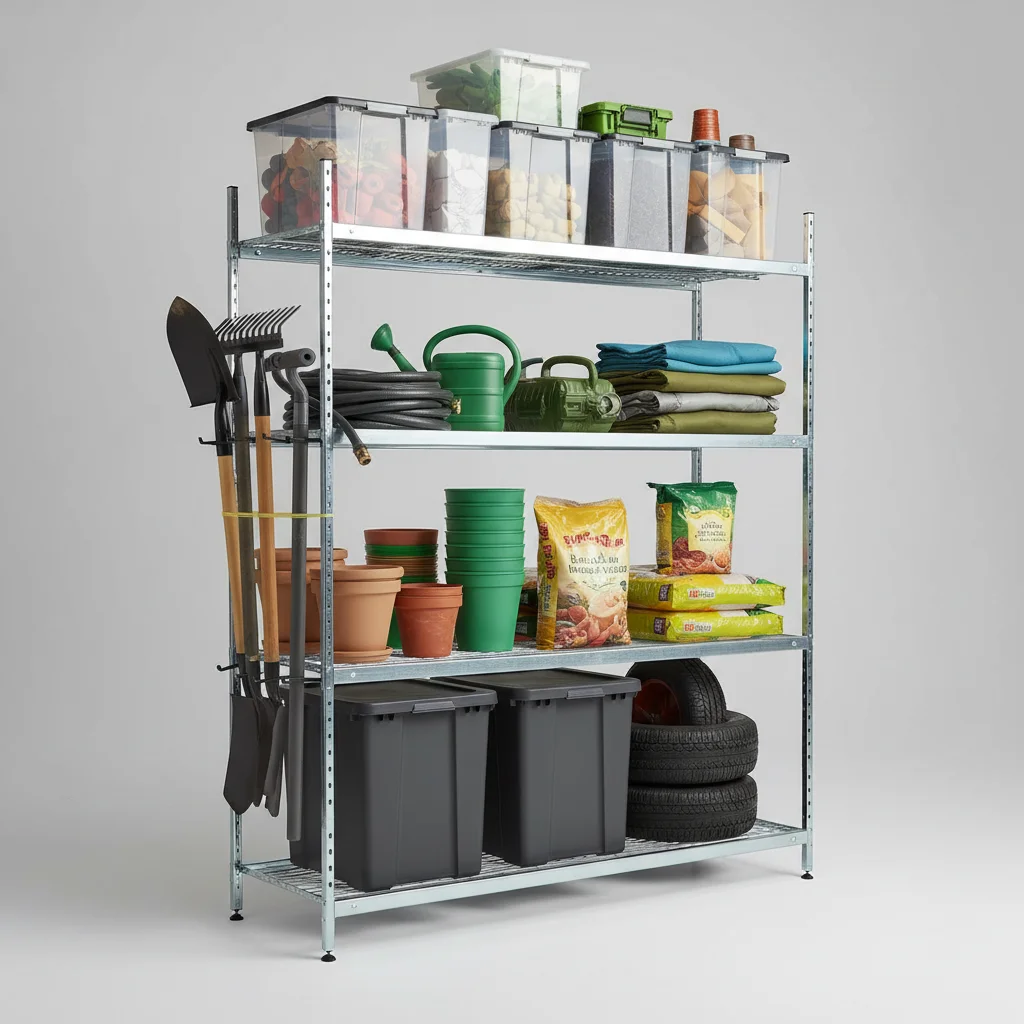
Storage shed shelving is a crucial component for optimal organization, and yes, you absolutely need it to maximize your shed’s utility. Without proper shelving, your shed quickly devolves into a cluttered mess, making it difficult to find tools, gardening supplies, or seasonal items. Effective shelving solutions can nearly double your usable storage space by utilizing vertical areas that would otherwise go to waste.
Why Storage Shed Shelving is Essential
Shelving transforms a chaotic shed into an efficient storage hub. It prevents items from being stacked precariously on the floor, which can lead to damage, tripping hazards, and difficulty accessing what you need. By elevating items, shelving also helps protect them from moisture and pests that might be present on the shed floor. This is particularly important for items like bags of fertilizer, paint cans, or delicate garden tools.
Consider the types of items you store. Heavy tools, bags of soil, and large containers benefit from sturdy, deep shelves, while smaller items like hand tools, gloves, and seed packets are better suited for shallower, more numerous shelves or bins placed on shelves. Planning your shelving layout based on your inventory is key to creating a truly functional space.
Types of Storage Shed Shelving Materials
When selecting shelving for your shed, material choice is paramount for durability and longevity. Common options include wood, metal, and plastic. Wood shelving is often the most customizable and can be built to fit specific dimensions, but it requires proper sealing or painting to resist moisture and pests. Metal shelving, particularly steel, offers superior strength and resistance to rust, making it ideal for heavy items. Plastic shelving is lightweight, easy to clean, and resistant to moisture, but it typically has lower weight capacities.
For outdoor sheds, galvanized steel or heavy-duty plastic shelving often provides the best balance of durability and maintenance. If you opt for wood, ensure it’s treated lumber or sealed with an exterior-grade finish to prevent rot and insect damage. The environment inside your shed, including temperature fluctuations and humidity, should influence your material decision.
Installing Your Storage Shed Shelving
|
Our Picks for the Best Storage Shed in 2026
As an Amazon Associate I earn from qualifying purchases.
|
||
| Num | Product | Action |
|---|---|---|
| 1 | Bike Storage Shed Tent, Outdoor Bicycle Storage Shed, Waterproof Portable Bike Covers Shelter, 7.2x4.9x6.1ft Large Garage Tent for Motorcycle, Garden Tools, Lawn Mower |

|
| 2 | Housolution Bike Storage Tent Shed for 5 Bikes, Outdoor Portable 210D Oxford Thick PU4000 Waterproof Bike Cover with Ventilated Window, Bike Tent Fit for Bicycle, Lawn Mower, Garden Tools |
|
| 3 | Happy Travel Bike Storage Tent, Outdoor 8×7×6.3ft Large 2-in-1 Portable Shed More 30% Top Space W/Double Doors with Mesh, Outside Lawn Mower Shelter and Bicycle Cover for Patio Furniture, Garden Tools |
|
| 4 | Happy Travel Bike Storage Shed Tent,Outdoor Portable Bicycle Storage Sheds with 210D Oxford Fabric PU4000 Waterproof for 2/3/4/6/8 Bikes,Bike Covers Shelter for Motorcycle,Garden Tools,Toys,Lawn Mower |
|
| 5 | Happy Travel Bike Storage Tent Shed, Outdoor Waterproof Bicycle Covers Shelter with Window for 2/3/4/6/8 Bikes,Oversized Outside Portable Sheds for Lawn Mower,Garden Tools |
|
| 6 | Bike Tent, 81 * 39 * 65 in Outdoor Portable Storage Sheds, 210D Oxford Thick Waterproof Fabric,PU4000 Waterproof for 2/3/4 Bikes,Bike Covers for Motorcycle,Garden Tools,Lawn Mower |
|
| 7 | 39.4" Larger Storage Shed Tent for Bike Motorcycle ebike eScooter Lawn Mower Outdoor Canopy Shelter Protection with Water Resistant Dustproof Windproof and Sunproof for RV Travel |
|
| 8 | Happy Travel Bike Storage Tent Shed, Outdoor Waterproof Bicycle Covers Shelter with Window for 2/4/6/8 Bikes,Oversized Outside Portable Sheds for Lawn Mower,Garden Tools (Black) |
|
| 9 | Bike Storage Tent,for 2-10 Bikes, 118 x 86 x 72 in Outdoor Portable Bike Storage, 210D Oxford Fabric PU4000 Waterproof, 2 Rolling Doors, for Motorcycles or Large Motorcycles, Without Floor |
|
| 10 | Bike Storage Shed Tent,Bike Cover Waterproof Outdoor Storage Shed with 30% More Top Storage Space for 4-5Bikes,Portable Bicycle Shelter for Motorcycle,Garden Tools,Lawn Mower |
|
Proper installation is critical for the safety and stability of your shelving. Wall-mounted shelving systems are popular as they keep the floor clear and can be adjusted. Ensure you locate wall studs or use appropriate anchors for secure attachment, especially if you plan to store heavy items. Freestestanding units offer flexibility and can be moved, but they must be stable and level to prevent tipping.
When installing, consider the height of your items. Leave enough clearance between shelves for taller tools or containers. Also, think about accessibility; place frequently used items on easily reachable shelves. For very heavy items, consider a workbench with integrated shelving below for added stability and convenience.
- Measure your shed’s interior dimensions accurately.
- Determine the weight capacity needed for your stored items.
- Choose a shelving material resistant to shed conditions.
- Securely anchor all wall-mounted units to studs or with heavy-duty anchors.
- Ensure adequate clearance between shelves for item access.
Maximizing Space with Smart Shelving Solutions
Beyond basic shelves, several smart solutions can further optimize your shed’s storage. Corner shelving units make use of often-wasted corner space. Overhead shelving can store lighter, less frequently accessed items, freeing up lower shelves. Pegboards mounted above a workbench or on a wall can hold hand tools, keeping them visible and organized.
Consider adding clear plastic bins or drawers to your shelves. These help contain smaller items, prevent clutter, and allow you to quickly identify contents. Labeling these bins is a simple yet effective way to maintain order. Vertical tool racks can also be integrated with shelving systems to store long-handled tools like rakes and shovels without taking up valuable shelf space.
Maintenance and Organization Tips for Shelving
Once your shelving is installed, regular maintenance and organization are key to keeping your shed functional. Periodically check the stability of your shelves, especially if they are holding heavy loads. Tighten any loose screws or bolts. Clean your shelves regularly to prevent dust, dirt, and cobwebs from accumulating, which can attract pests.
Review your stored items annually. Declutter and remove anything you no longer need or use. This prevents shelves from becoming overloaded and ensures that your shed remains an efficient storage solution. Group similar items together on shelves to make finding things easier and to maintain a logical organization system.
