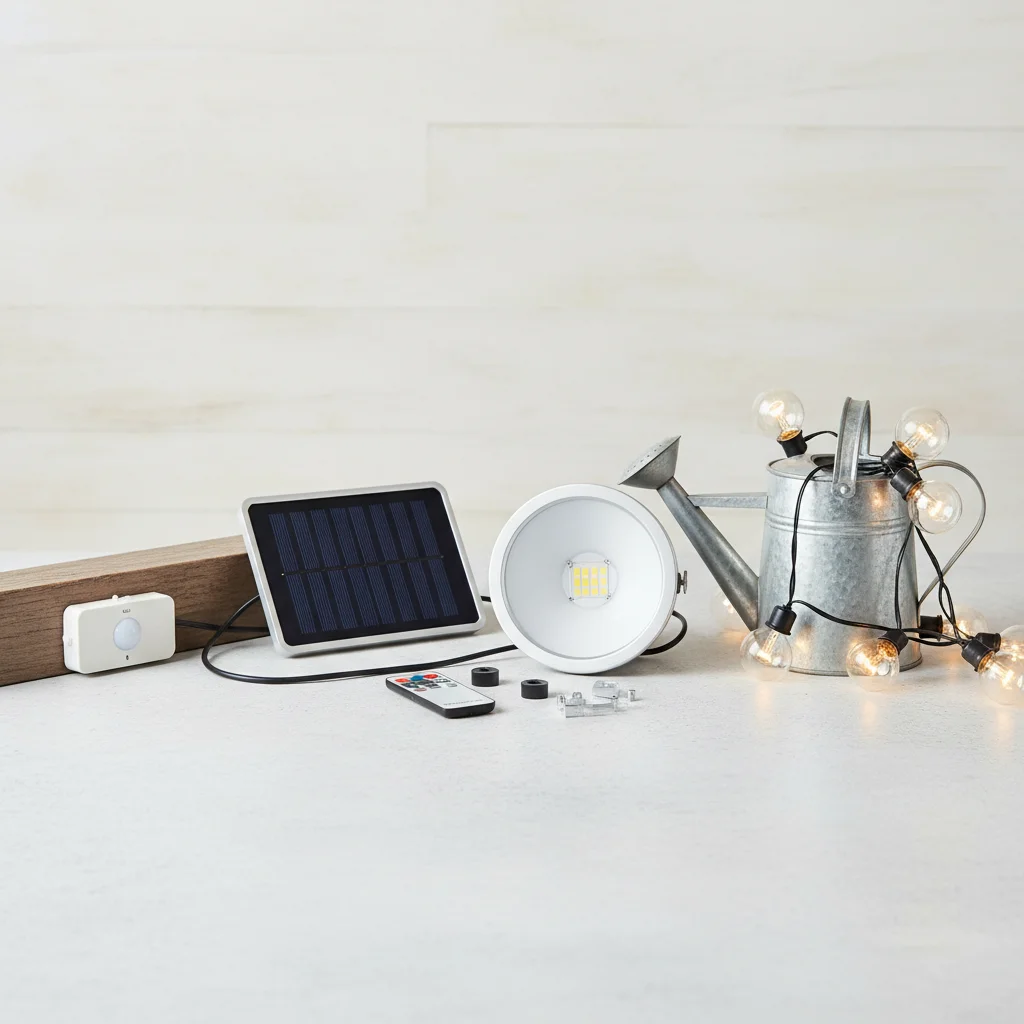
Effective storage shed lighting is crucial for safe and efficient access, especially during evening hours or in dimly lit conditions. While not every shed absolutely requires dedicated lighting, installing it significantly enhances usability and safety. Consider the primary use of your shed; if you frequently retrieve tools, organize items, or work on projects after sunset, proper illumination becomes indispensable. There are typically three main types of lighting solutions suitable for sheds: solar-powered, battery-operated, and wired electric.
Solar-Powered Shed Lighting: Eco-Friendly Illumination
Solar-powered shed lights offer an excellent, environmentally friendly option that requires no external wiring. These systems typically consist of a solar panel, a battery, and LED light fixtures. The solar panel charges the battery during the day, and the stored energy powers the lights at night. Installation is straightforward, often involving mounting the panel on the shed roof or a nearby sunny spot and positioning the lights inside. This type of lighting is ideal for sheds located far from a power source or for those seeking a low-maintenance, cost-effective solution. However, their performance can be affected by prolonged cloudy weather or insufficient sunlight exposure.
Battery-Operated Shed Lighting: Flexible and Simple
Battery-operated lights provide maximum flexibility and ease of installation. These can range from simple stick-on LED puck lights to more robust motion-sensor fixtures. They are perfect for sheds where occasional light is needed, or as a supplementary lighting source. The main advantage is that they require no wiring or solar panel placement, making them suitable for any shed, regardless of its location or sun exposure. The primary drawback is the need for periodic battery replacement, which can become a recurring cost and inconvenience. Look for models with long-lasting LED bulbs and energy-efficient designs to maximize battery life.
- Consider motion-activated lights for hands-free operation.
- Choose waterproof options for outdoor or damp shed environments.
- Opt for rechargeable batteries to reduce waste and long-term costs.
- Select lights with adjustable brightness settings for versatility.
- Ensure sufficient lumens for the size and purpose of your shed.
Wired Electric Shed Lighting: Reliable and Powerful
|
Our Picks for the Best Storage Shed in 2026
As an Amazon Associate I earn from qualifying purchases.
|
||
| Num | Product | Action |
|---|---|---|
| 1 | Bike Storage Tent,for 2-10 Bikes, 118 x 86 x 72 in Outdoor Portable Bike Storage, 210D Oxford Fabric PU4000 Waterproof, 2 Rolling Doors, for Motorcycles or Large Motorcycles, Without Floor |

|
| 2 | Happy Travel Bike Storage Tent Shed, Outdoor Waterproof Bicycle Covers Shelter with Window for 2/3/4/6/8 Bikes,Oversized Outside Portable Sheds for Lawn Mower,Garden Tools |
|
| 3 | Happy Travel Bike Storage Shed Tent,Outdoor Portable Bicycle Storage Sheds with 210D Oxford Fabric PU4000 Waterproof for 2/3/4/6/8 Bikes,Bike Covers Shelter for Motorcycle,Garden Tools,Toys,Lawn Mower |
|
| 4 | Happy Travel Bike Storage Tent Shed, Outdoor Waterproof Bicycle Covers Shelter with Window for 2/4/6/8 Bikes,Oversized Outside Portable Sheds for Lawn Mower,Garden Tools (Black) |
|
| 5 | Bike Storage Shed Tent,Bike Cover Waterproof Outdoor Storage Shed with 30% More Top Storage Space for 4-5Bikes,Portable Bicycle Shelter for Motorcycle,Garden Tools,Lawn Mower |
|
| 6 | Happy Travel Bike Storage Tent, Outdoor 8×7×6.3ft Large 2-in-1 Portable Shed More 30% Top Space W/Double Doors with Mesh, Outside Lawn Mower Shelter and Bicycle Cover for Patio Furniture, Garden Tools |
|
| 7 | 39.4" Larger Storage Shed Tent for Bike Motorcycle ebike eScooter Lawn Mower Outdoor Canopy Shelter Protection with Water Resistant Dustproof Windproof and Sunproof for RV Travel |
|
| 8 | Housolution Bike Storage Tent Shed for 5 Bikes, Outdoor Portable 210D Oxford Thick PU4000 Waterproof Bike Cover with Ventilated Window, Bike Tent Fit for Bicycle, Lawn Mower, Garden Tools |
|
| 9 | Bike Tent, 81 * 39 * 65 in Outdoor Portable Storage Sheds, 210D Oxford Thick Waterproof Fabric,PU4000 Waterproof for 2/3/4 Bikes,Bike Covers for Motorcycle,Garden Tools,Lawn Mower |
|
| 10 | Bike Storage Shed Tent, Outdoor Bicycle Storage Shed, Waterproof Portable Bike Covers Shelter, 7.2x4.9x6.1ft Large Garage Tent for Motorcycle, Garden Tools, Lawn Mower |
|
For sheds that are frequently used, especially for workshops or extended periods, wired electric lighting offers the most reliable and powerful solution. This involves running an electrical line from your main power source to the shed, which typically requires professional installation to ensure safety and compliance with local codes. Once installed, you have access to standard outlets and can use a variety of lighting fixtures, including fluorescent tubes, incandescent bulbs, or high-lumen LED shop lights. This option provides consistent, bright illumination without worrying about battery life or solar charging. It’s a significant investment upfront but offers unparalleled convenience and power for serious shed users.
Factors to Consider When Choosing Shed Lighting
When deciding on the best lighting for your storage shed, several factors should influence your choice. First, assess the primary purpose of your shed. Is it just for quick tool retrieval, or will you be spending extended periods working inside? Second, consider the availability of power. Is your shed close to your home’s electrical supply, or is it in a remote part of your yard? Third, think about your budget for both initial installation and ongoing maintenance. Finally, evaluate the level of brightness required. A small garden shed might only need a few hundred lumens, while a larger workshop could benefit from several thousand.
Installation and Safety Tips for Shed Lighting
Regardless of the type of lighting you choose, proper installation and safety are paramount. For solar and battery-operated lights, ensure all components are securely mounted and protected from the elements. If you opt for wired electric lighting, it is highly recommended to hire a licensed electrician. They can ensure that all wiring is up to code, properly grounded, and protected by appropriate circuit breakers. Always use outdoor-rated fixtures and wiring if there’s any chance of moisture exposure. Regular maintenance, such as cleaning solar panels or checking battery connections, will ensure your shed lighting remains functional and safe for years to come.
