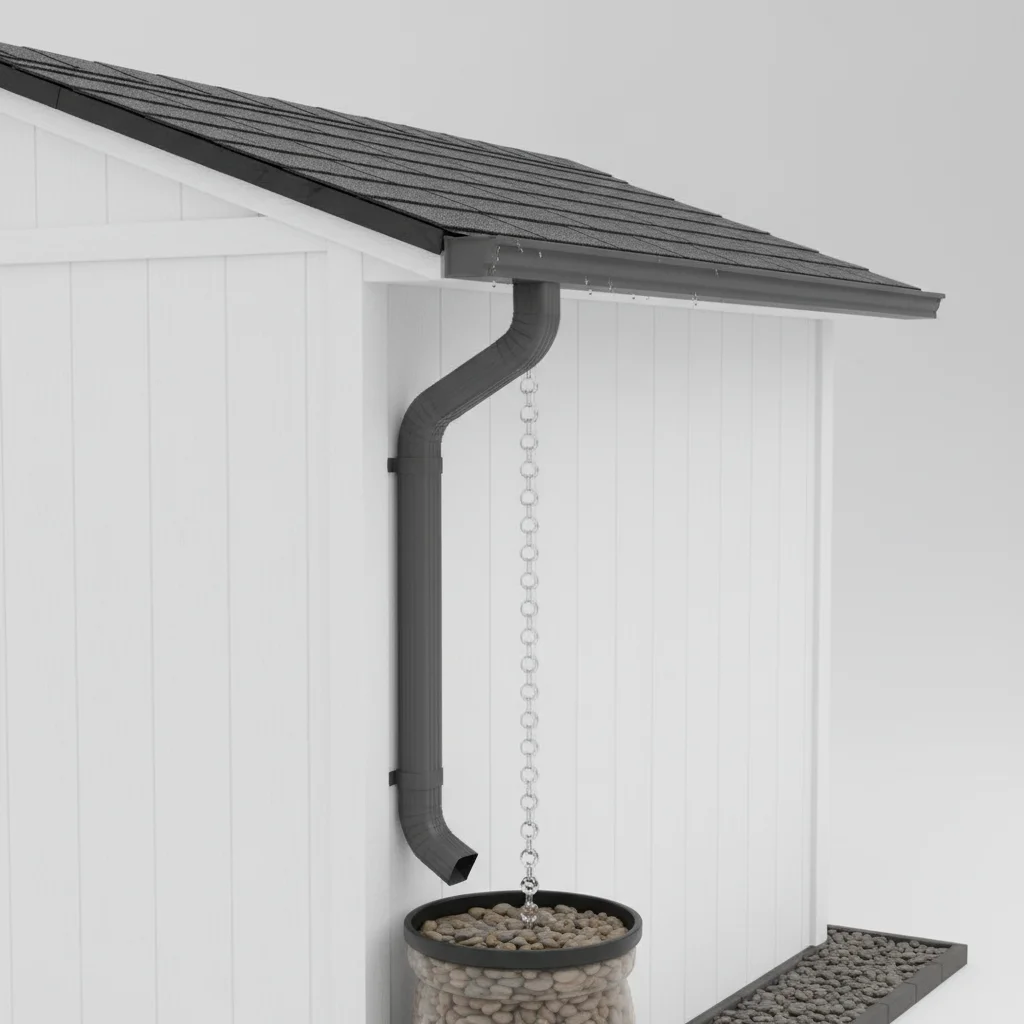
Storage shed gutters are a valuable addition for effective water management, especially in regions with significant rainfall or snowmelt. While not strictly mandatory for every shed, installing gutters can prevent several common issues, including foundation erosion, splash-back onto the shed walls, and water pooling around the base. They redirect rainwater away from the structure, protecting the shed’s integrity and prolonging its lifespan. For sheds housing sensitive equipment or located near garden beds, gutters are a highly recommended investment.
Why Consider Gutters for Your Storage Shed?
The primary reason to install gutters on your storage shed is to control water runoff. Without gutters, water cascades directly from the roof, often creating trenches in the surrounding soil and potentially undermining the shed’s foundation over time. This constant moisture can also lead to wood rot on the lower sections of a wooden shed or accelerate rust on metal sheds. Furthermore, uncontrolled runoff can splash mud and debris onto the shed’s exterior, making it look unkempt and requiring more frequent cleaning.
Gutters channel this water into a downspout, which can then direct it to a rain barrel for collection, a drainage system, or simply away from the shed’s immediate vicinity. This proactive approach to water management safeguards your investment and maintains the aesthetic appeal of your backyard.
Types of Storage Shed Gutters
When selecting gutters for your storage shed, you’ll encounter several material options, each with its own advantages. Vinyl gutters are a popular choice due to their affordability, ease of installation, and resistance to rust and corrosion. They are lightweight and come in various colors to match your shed’s exterior. Aluminum gutters offer greater durability and a longer lifespan than vinyl, resisting warping and cracking in extreme temperatures. They are also lightweight but typically require professional installation for seamless systems. Steel gutters are the most robust option, ideal for areas with heavy snow loads or strong winds, but they are heavier, more expensive, and can be prone to rust if not properly maintained.
- Vinyl Gutters: Affordable, easy DIY installation, rust-resistant.
- Aluminum Gutters: Durable, lightweight, long-lasting, professional installation often recommended.
- Steel Gutters: Most robust, ideal for harsh climates, heavier and more expensive.
- Copper Gutters: Premium option, extremely durable, develops a protective patina, high cost.
- Galvanized Steel Gutters: Rust-resistant steel, good balance of durability and cost.
Installation Considerations for Shed Gutters
|
Our Picks for the Best Storage Shed in 2026
As an Amazon Associate I earn from qualifying purchases.
|
||
| Num | Product | Action |
|---|---|---|
| 1 | Happy Travel Bike Storage Tent Shed, Outdoor Waterproof Bicycle Covers Shelter with Window for 2/4/6/8 Bikes,Oversized Outside Portable Sheds for Lawn Mower,Garden Tools (Black) |

|
| 2 | Happy Travel Bike Storage Shed Tent,Outdoor Portable Bicycle Storage Sheds with 210D Oxford Fabric PU4000 Waterproof for 2/3/4/6/8 Bikes,Bike Covers Shelter for Motorcycle,Garden Tools,Toys,Lawn Mower |
|
| 3 | Happy Travel Bike Storage Tent Shed, Outdoor Waterproof Bicycle Covers Shelter with Window for 2/3/4/6/8 Bikes,Oversized Outside Portable Sheds for Lawn Mower,Garden Tools |
|
| 4 | 39.4" Larger Storage Shed Tent for Bike Motorcycle ebike eScooter Lawn Mower Outdoor Canopy Shelter Protection with Water Resistant Dustproof Windproof and Sunproof for RV Travel |
|
| 5 | Bike Storage Shed Tent,Bike Cover Waterproof Outdoor Storage Shed with 30% More Top Storage Space for 4-5Bikes,Portable Bicycle Shelter for Motorcycle,Garden Tools,Lawn Mower |
|
| 6 | Bike Storage Tent,for 2-10 Bikes, 118 x 86 x 72 in Outdoor Portable Bike Storage, 210D Oxford Fabric PU4000 Waterproof, 2 Rolling Doors, for Motorcycles or Large Motorcycles, Without Floor |
|
| 7 | Bike Tent, 81 * 39 * 65 in Outdoor Portable Storage Sheds, 210D Oxford Thick Waterproof Fabric,PU4000 Waterproof for 2/3/4 Bikes,Bike Covers for Motorcycle,Garden Tools,Lawn Mower |
|
| 8 | Happy Travel Bike Storage Tent, Outdoor 8×7×6.3ft Large 2-in-1 Portable Shed More 30% Top Space W/Double Doors with Mesh, Outside Lawn Mower Shelter and Bicycle Cover for Patio Furniture, Garden Tools |
|
| 9 | Housolution Bike Storage Tent Shed for 5 Bikes, Outdoor Portable 210D Oxford Thick PU4000 Waterproof Bike Cover with Ventilated Window, Bike Tent Fit for Bicycle, Lawn Mower, Garden Tools |
|
| 10 | Bike Storage Shed Tent, Outdoor Bicycle Storage Shed, Waterproof Portable Bike Covers Shelter, 7.2x4.9x6.1ft Large Garage Tent for Motorcycle, Garden Tools, Lawn Mower |
|
Installing storage shed gutters is a manageable DIY project for most homeowners, though larger or more complex sheds might benefit from professional help. Key considerations include ensuring the gutters have a slight slope (typically 1/4 inch per 10 feet) towards the downspout to allow for proper drainage. The downspout should be positioned to direct water away from the shed’s foundation, ideally at least 5 feet. You’ll also need to consider the type of hangers and fasteners appropriate for your shed’s fascia or roof edge. Regular cleaning of gutters is essential to prevent clogs from leaves and debris, which can lead to water overflow and defeat their purpose.
Many shed manufacturers offer gutter kits specifically designed for their models, simplifying the selection and installation process.These kits often include all necessary components, from the gutter sections and end caps to downspouts and hangers, ensuring a cohesive and functional system.
Maintaining Your Shed’s Gutter System
Proper maintenance is crucial for the longevity and effectiveness of your storage shed gutters. At least twice a year, typically in spring and fall, clear out any leaves, twigs, and other debris that have accumulated. Clogged gutters can cause water to back up, overflow, and potentially damage the shed’s fascia or roof. Inspect the gutters for any signs of sagging, leaks, or damage, and repair them promptly. Ensure downspouts are clear and directing water away from the foundation. For sheds in heavily treed areas, consider installing gutter guards to minimize debris accumulation and reduce the frequency of cleaning.These guards come in various forms, including mesh screens, solid covers, and reverse curve systems, each offering different levels of protection.
The Benefits Outweigh the Costs
While installing storage shed gutters represents an initial investment of time and money, the long-term benefits far outweigh the costs. By effectively managing rainwater, gutters protect your shed from water damage, extend its lifespan, and reduce the need for costly repairs. They also help maintain a cleaner, drier environment around your shed, preventing muddy pathways and protecting nearby landscaping. For any shed owner looking to maximize their investment and minimize maintenance headaches, gutters are a smart and practical addition.
