An old metal storage shed can be a valuable asset for organization, but time and weather often leave it with faded paint and unsightly rust. Don’t let a corroding shed detract from your property’s appeal or compromise its contents. Revitalizing it with a fresh, durable coat of paint is a rewarding project that not only improves aesthetics but also extends its lifespan significantly. This guide will walk you through every essential step to paint your old metal storage shed effectively, ensuring a rust-free finish that stands the test of time and weather.
Preparing Your Old Metal Storage Shed: The Foundation of Rust-Free Painting
The secret to a long-lasting, rust-free paint job on a metal storage shed lies almost entirely in thorough preparation. Skipping or rushing these initial steps can lead to premature paint failure, peeling, and the return of rust, costing you more time and money in the long run. Proper surface preparation ensures that your primer and paint adhere correctly, creating a robust protective barrier against the elements.
Thorough Cleaning is Key
|
Our Picks for the Best Storage Shed in 2026
As an Amazon Associate I earn from qualifying purchases.
|
||
| Num | Product | Action |
|---|---|---|
| 1 | 39.4" Larger Storage Shed Tent for Bike Motorcycle ebike eScooter Lawn Mower Outdoor Canopy Shelter Protection with Water Resistant Dustproof Windproof and Sunproof for RV Travel |

|
| 2 | Housolution Bike Storage Tent Shed for 5 Bikes, Outdoor Portable 210D Oxford Thick PU4000 Waterproof Bike Cover with Ventilated Window, Bike Tent Fit for Bicycle, Lawn Mower, Garden Tools |
|
| 3 | Happy Travel Bike Storage Shed Tent,Outdoor Portable Bicycle Storage Sheds with 210D Oxford Fabric PU4000 Waterproof for 2/3/4/6/8 Bikes,Bike Covers Shelter for Motorcycle,Garden Tools,Toys,Lawn Mower |
|
| 4 | Bike Storage Shed Tent,Bike Cover Waterproof Outdoor Storage Shed with 30% More Top Storage Space for 4-5Bikes,Portable Bicycle Shelter for Motorcycle,Garden Tools,Lawn Mower |
|
| 5 | Happy Travel Bike Storage Tent, Outdoor 8×7×6.3ft Large 2-in-1 Portable Shed More 30% Top Space W/Double Doors with Mesh, Outside Lawn Mower Shelter and Bicycle Cover for Patio Furniture, Garden Tools |
|
| 6 | Happy Travel Bike Storage Tent Shed, Outdoor Waterproof Bicycle Covers Shelter with Window for 2/3/4/6/8 Bikes,Oversized Outside Portable Sheds for Lawn Mower,Garden Tools |
|
| 7 | Bike Storage Shed Tent, Outdoor Bicycle Storage Shed, Waterproof Portable Bike Covers Shelter, 7.2x4.9x6.1ft Large Garage Tent for Motorcycle, Garden Tools, Lawn Mower |
|
| 8 | Bike Storage Tent,for 2-10 Bikes, 118 x 86 x 72 in Outdoor Portable Bike Storage, 210D Oxford Fabric PU4000 Waterproof, 2 Rolling Doors, for Motorcycles or Large Motorcycles, Without Floor |
|
| 9 | Happy Travel Bike Storage Tent Shed, Outdoor Waterproof Bicycle Covers Shelter with Window for 2/4/6/8 Bikes,Oversized Outside Portable Sheds for Lawn Mower,Garden Tools (Black) |
|
| 10 | Bike Tent, 81 * 39 * 65 in Outdoor Portable Storage Sheds, 210D Oxford Thick Waterproof Fabric,PU4000 Waterproof for 2/3/4 Bikes,Bike Covers for Motorcycle,Garden Tools,Lawn Mower |
|
Before any sanding or rust removal can begin, your shed needs a deep clean. Dirt, grime, mildew, and chalky residue can all interfere with paint adhesion, so it’s crucial to remove them entirely. Start by spraying your shed with a strong stream of water from a garden hose to remove loose leaves and debris. For stubborn dirt, grease, or mildew, wash the entire surface with a mixture of warm water and a mild detergent, or a degreasing detergent. A pressure washer on a gentle setting can be highly effective for this task, but avoid settings that might damage the metal panels. Once cleaned, rinse the shed thoroughly with clean water and allow it to dry completely before moving on to the next steps. Moisture trapped beneath new paint will inevitably lead to problems.
Conquering Rust: Methods for a Smooth Surface
Rust is the archenemy of metal sheds, and its complete removal or neutralization is paramount for a successful paint job. Simply painting over rust will trap moisture and oxygen, allowing the corrosion process to continue underneath your new paint layer.
- Mechanical Removal: For loose, flaked rust and peeling paint, a wire brush is your first line of defense. For more extensive or stubborn rust spots, power tools such as an angle grinder with a wire cup brush or a drill with a wire wheel attachment can save significant time and effort. These tools are designed to remove rust and surface coatings without damaging the base metal.
- Chemical Rust Dissolvers/Converters: Some rust dissolvers contain phosphoric or hydrochloric acid to neutralize rust and prevent its spread, especially beneficial for pockmarks or holes. Alternatively, rust converters transform rust into a non-reactive, stable barrier that can then be painted over. Apply these products according to manufacturer instructions, typically brushing them on and allowing them to dry before removing any residue.
- Addressing Flash Rust: “Flash rust” can appear quickly on metal surfaces after they’ve been wet, even after cleaning. If this occurs, apply paint thinner on a rag to remove it immediately, as it can damage the metal if left untreated.
Sanding and Smoothing for Optimal Adhesion
After cleaning and rust removal, the next step is to create a smooth, prepared surface for the primer and paint to bond with. Use sandpaper with a fine grit (around 220) to smooth out any remaining imperfections, rough spots, or areas where old paint chipped. Sanding helps improve paint adhesion significantly. After sanding, wipe away any dust with a damp cloth to ensure the surface is perfectly clean before priming.
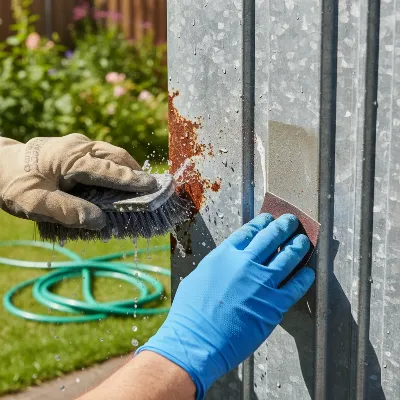 A person thoroughly cleaning and sanding a metal storage shed to remove rust and prepare the surface for painting
Choosing the Right Arsenal: Primers and Paints for Lasting Protection
Selecting the correct primer and paint is just as vital as meticulous preparation. These products are specifically formulated to adhere to metal, inhibit rust, and withstand harsh outdoor conditions.
The Crucial Role of Rust-Inhibiting Primers
Primer is not an optional step; it’s essential for painting metal sheds, particularly where bare metal is exposed. A high-quality metal primer improves adhesion, provides an even base for the topcoat, and, most importantly, offers rust inhibition.
- Types of Metal Primer: The type of primer you choose can depend on your shed’s metal. For ferrous metals (iron, steel, galvanized steel), a red-oxide zinc chromate primer is generally recommended. For non-ferrous metals like aluminum or light alloys, a zinc chromate primer is more appropriate. You can use a magnet to determine if your shed is ferrous (magnet attracts) or non-ferrous (magnet doesn’t attract).
- Application: Apply the primer evenly using a brush, roller, or sprayer, allowing it to dry fully according to the manufacturer’s instructions. This typically means at least 24 hours before applying paint. Skipping primer often leads to premature paint failure, as it won’t bond as effectively to the metal surface.
Selecting the Best Topcoat for Metal Sheds
Once primed, your shed is ready for its protective and aesthetic topcoat. The right paint will seal the primer and further protect against corrosion.
- Recommended Paint Types: Oil-based or lacquer-based paints are highly recommended for metal sheds because they create a robust seal, protecting against rust and corrosion. Some experts also suggest 100% acrylic exterior paint, specifically formulated for metal surfaces. These paints are known for their durability and ability to withstand outdoor exposure.
- Paints to Avoid: Latex paint, while easy to use indoors, is generally not recommended for the exterior of metal sheds due to its inability to withstand harsh weather conditions and its potential to compromise the effectiveness of rust neutralizers.
- Specialized Rust-Inhibiting Paints: Many brands offer paints with built-in rust inhibitors. Products like Rust-Oleum Stops Rust Spray Paint provide a durable finish that resists rust and corrosion, ideal for both indoor and outdoor metal items. POR-15 Rust Preventive Coating is also highly regarded for its ability to seal rusty metal permanently, offering lasting protection against moisture and contaminants.
Paint Type Comparison
| Paint Type | Pros | Cons | Best Use for Sheds |
|---|---|---|---|
| Oil-Based/Lacquer-Based | Excellent durability, strong rust protection | Longer drying times, stronger fumes | Sealing rust neutralizers, maximum protection |
| 100% Acrylic Exterior | Good adhesion, flexibility, weather resistance | May require specific metal primers | General outdoor metal painting, good color retention |
| Rust-Inhibiting Formulas | Direct application over prepared rust, durable | Can be more expensive, specific prep needed | Directly addressing and preventing rust |
| Latex Paint | Easy cleanup, low VOCs | Poor adhesion to metal, not weather-resistant | Not recommended for metal sheds |
Optimal Painting Conditions
Timing is crucial for successful paint adhesion and a smooth finish. The best conditions for painting a metal shed are dry days with moderate temperatures, typically between 50°F and 85°F (10°C and 29°C). Avoid painting during extreme heat, which can cause paint to dry too quickly and result in uneven coverage, or during cold temperatures, which can prevent proper curing. Always check the forecast to ensure no rain is expected, as moisture can interfere with adhesion. Windy days should also be avoided, as dust and debris can stick to wet paint.
Step-by-Step Guide to Painting Your Metal Shed
Once your shed is prepped and you have your chosen primer and paint, it’s time for application.
- Apply Primer: Using a brush, roller, or sprayer, apply a thin, even coat of your chosen rust-inhibiting metal primer. Ensure full coverage, especially on areas where rust was removed or bare metal is exposed. Allow the primer to dry completely according to the manufacturer’s instructions, typically for at least 24 hours.
- Apply First Topcoat: Once the primer is dry, apply your first thin, even coat of exterior metal paint. Work in sections to maintain a wet edge and avoid lap marks. If using a sprayer, ensure you have proper ventilation and wear appropriate PPE.
- Allow Drying Time: Let the first coat of paint dry completely. This can take several hours to a full day, depending on the paint type and weather conditions. Refer to the paint can for specific drying and recoating times.
- Apply Second Topcoat (and subsequent coats): Most metal sheds will benefit from a second, and sometimes a third, thin coat of paint for optimal durability, coverage, and color depth. Ensure each coat is dry to the touch before applying the next.
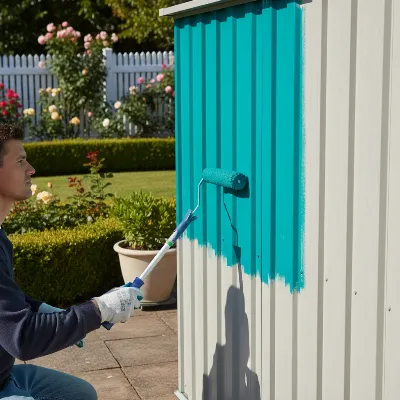 A person applying a fresh coat of paint to a metal storage shed using a roller for a smooth, even finish
Beyond the Brush: Maintaining Your Painted Metal Shed
Painting your shed is a significant investment in time and effort, but the work doesn’t stop there. Regular maintenance will ensure your rust-free finish lasts for years.
- Regular Inspection: Periodically inspect your shed for any signs of wear, chipping, or new rust spots. Pay close attention to seams, fasteners, and edges, as these are often the first areas to show corrosion.
- Prompt Touch-Ups: If you notice any small areas of rust or chipping paint, address them immediately. Clean the area, remove any loose rust, re-prime, and touch up with your exterior metal paint. Early intervention prevents small issues from becoming larger, more costly problems.
- Keep it Clean: Occasionally wash your shed with mild soap and water to remove dirt and grime buildup. This not only keeps it looking good but also prevents dirt from trapping moisture against the metal, which can lead to rust.
Conclusion
Painting an old metal storage shed without rust is a project that transforms a weathered structure into a protected and appealing asset for your property. By dedicating time to thorough preparation—including meticulous cleaning, effective rust removal, and careful sanding—and by selecting the right rust-inhibiting primers and durable exterior metal paints, you can achieve a finish that not only looks fantastic but also provides lasting protection against corrosion. Remember, the longevity of your shed’s new look hinges on these crucial initial steps. So, are you ready to give your metal Storage Shed the ultimate rust-proof makeover it deserves?
Frequently Asked Questions
Can I paint over rust on a metal shed?
It is not recommended to paint directly over rust. Rust needs to be either completely removed mechanically (sanding, wire brushing) or chemically neutralized/converted with a rust dissolver or converter before applying primer and paint. Painting over untreated rust will trap moisture and oxygen, leading to continued corrosion beneath the new paint layer.
What is the best type of paint for outdoor metal sheds?
For outdoor metal sheds, oil-based or lacquer-based paints are highly effective due to their sealing properties against rust and corrosion. Many 100% acrylic exterior paints specifically formulated for metal also offer excellent durability and weather resistance. Always use a rust-inhibiting primer beforehand for optimal results.
How do I prevent flash rust after cleaning my metal shed?
Flash rust can occur rapidly on clean metal surfaces when exposed to air and moisture. To prevent it, apply paint thinner to a rag and wipe down any affected areas immediately after cleaning and rinsing. Ensure the shed dries completely and apply a rust-inhibiting primer as soon as possible after preparation is finished.
What tools are essential for removing rust from a metal shed?
Essential tools for rust removal include a wire brush for loose rust, sandpaper (fine-grit for smoothing), and potentially power tools like a drill with a wire wheel attachment or an angle grinder for heavy rust. Chemical rust dissolvers or converters can also be very effective for neutralizing and preparing rusty surfaces.
How important is primer when painting a metal shed?
Primer is extremely important when painting a metal shed. A rust-inhibiting metal primer creates a strong bond between the bare metal (or prepared rusted surface) and the topcoat. It improves paint adhesion, provides an even base, and crucially, prevents new rust formation by creating a protective barrier against moisture.
What are the ideal weather conditions for painting a metal shed?
The best conditions for painting a metal shed are dry days with moderate temperatures, typically between 50°F and 85°F (10°C and 29°C). Avoid painting when rain is expected, or during periods of high humidity, extreme heat, or strong winds, as these can negatively impact paint adhesion, drying, and finish quality.