Building your own wooden storage shed can be a highly cost-effective solution for decluttering outdoor spaces, with a 10×10 foot shed potentially costing less than $500 if reclaimed materials like pallets are used. This DIY approach offers significant savings compared to purchasing a pre-built shed, allowing for full customization to meet specific storage needs while enhancing your backyard’s functionality and aesthetic.
The Perfect Storage Shed: A Detailed Guide
Creating extra storage space in your yard doesn’t have to be an expensive endeavor. Understanding the different types of sheds and crucial planning factors will empower you to build a sturdy and functional wooden shed on a budget. The key lies in strategic material selection and efficient construction methods, turning readily available resources into a valuable asset for your home.
Popular Types of Storage Sheds
When considering adding storage, various materials offer distinct advantages and drawbacks. For a budget-conscious DIY project, understanding these differences is crucial.
- Wood Sheds: Wooden sheds provide a classic aesthetic that can seamlessly blend with your landscape. They are highly customizable in terms of size, shape, and finishes like paint or stain, allowing you to match your home’s style. While premium hardwoods can be costly, options like pressure-treated lumber for the frame, OSB (Oriented Strand Board) or exterior-grade plywood for walls and roof, and even reclaimed materials like cedar fence pickets or pallets for siding, offer budget-friendly alternatives. The primary trade-off is the need for regular maintenance to protect against weather, rot, and pests.
- Metal Sheds: Typically made from galvanized steel or iron, metal sheds are known for their extreme durability and resistance to harsh weather conditions. They are generally low-maintenance and can be a cost-effective option for basic storage needs, with some models starting as low as a few hundred dollars. However, metal sheds offer less customization and can be prone to dents, sometimes clashing with a natural backyard aesthetic.
- Plastic/Vinyl Sheds: These sheds are often the easiest to assemble, low-maintenance, and resistant to moisture and rot. They come in various sizes and designs but are generally less robust and customizable than wood or metal sheds. Their initial cost can be moderate, but they might not withstand heavy impacts or extreme weather as well as other materials.
For a DIY project on a tight budget, wood remains an excellent choice, especially when focusing on reclaimed or less expensive wood types. Pallets, for instance, can often be acquired for free or very cheaply, providing material for both the frame and siding, significantly reducing overall costs.
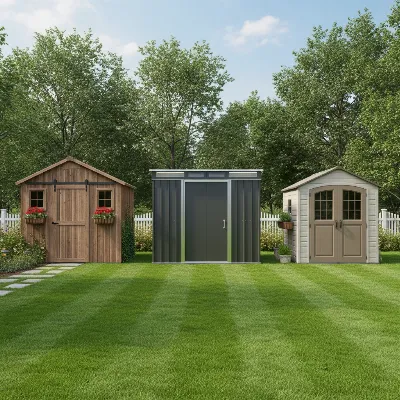 A rustic wooden storage shed next to a modern metal shed and a compact plastic shed, illustrating different material types for backyard storage solutions.
Crucial Factors When Building a Storage Shed
Before cutting any lumber, careful planning is essential to ensure your DIY shed meets your needs and budget.
- Size and Storage Space Needed: Begin by assessing what you need to store. Sketching out items like lawnmowers, bikes, or garden tools will help determine the necessary footprint. Smaller sheds, such as 6×4, 8×6, or 8×8 feet, are generally more affordable and easier to construct. For larger storage requirements, 10×10 or 10×12-foot sheds offer more space but will naturally increase material costs. Always check local building codes; structures under 120 square feet often don’t require permits, but regulations vary by municipality, so always verify beforehand.
- Materials and Durability: Selecting the right materials is paramount for both cost and longevity. For the shed’s frame and floor, pressure-treated lumber is highly recommended due to its resistance to decay, moisture, and insects. Exterior-grade plywood or OSB provides structural integrity for walls and roofing, balancing cost-effectiveness with necessary support. For siding, you can opt for affordable plywood, corrugated metal sheets, or even free reclaimed pallets. Roofing materials like galvanized metal are tough and weather-resistant, while asphalt shingles or roofing felt offer simpler, budget-friendly alternatives. When it comes to windows, styrene is a cost-effective and durable choice; minimizing the number of openings also reduces expense and enhances security.
- Budget and Installation Costs: Building a shed yourself inherently saves on labor costs. Using free or low-cost materials like reclaimed pallets can bring the total cost for a 10×10 shed down to less than $500. However, using new, treated lumber for an 8×10-foot wooden shed can range from $1,500 to $2,500, depending on the wood type and features. Foundation costs also vary, with concrete blocks or a gravel pad being the most budget-friendly options.
- Placement and Environmental Factors: The location of your shed significantly impacts its stability and longevity. Choose a level area and ensure proper drainage to prevent moisture buildup around the foundation, which can lead to rot. Utilizing materials like gravel or elevating the shed with concrete blocks can aid in ventilation and water diversion. Considering sun exposure can also influence the type of wood treatment or paint needed to protect the shed over time.
Comparing Approaches for Budget DIY Wood Shed Projects
Instead of comparing specific brands, focusing on construction approaches and material choices offers more relevant insights for building a DIY wood shed on a budget.
- Free Plans vs. Purchased Plans: Numerous websites offer free shed plans, providing detailed instructions and material lists. These free resources are invaluable for budget builders, guiding them through the construction process without an upfront cost for blueprints. While paid plans might offer more intricate designs or specific features, free plans are perfect for functional, straightforward sheds.
- New Lumber vs. Reclaimed Materials: This is perhaps the most significant budget differentiator. Purchasing all new lumber provides consistency in material quality and dimensions but comes at a higher price. Conversely, sourcing reclaimed materials, particularly pallets, can drastically reduce costs, sometimes even to zero. Using pallets requires extra effort in deconstructing them and often more creative problem-solving during the build, but the savings are substantial.
- Simple Designs vs. Complex Features: Opting for simpler shed designs, such as gable or lean-to styles, requires less material and is easier for beginners to construct. Single-sloped roofs, for example, need less roofing material and are simpler to frame. Limiting the number of windows and doors not only saves on material costs but also enhances the shed’s security. Compact dimensions contribute to overall savings in both materials and maintenance.
Detailed Comparison Table
This table compares different DIY approaches for building a wood storage shed, highlighting trade-offs between cost, effort, and outcome.
| Feature | Free Pallet Shed (DIY) | New Lumber Shed (DIY) | Prefab Kit Shed (Wood) |
|---|---|---|---|
| Material Cost | Very Low (potentially $0-$500, depends on sourcing) | Medium ($800-$2,500 for an 8x10ft shed) | High (often $800-$2,000+, but varies greatly) |
| Durability | Moderate (highly dependent on pallet quality & treatment) | Good (with treated lumber & proper construction) | Good (quality varies by manufacturer) |
| Customization | High (build exactly to your specifications) | High (build exactly to your specifications) | Moderate (limited to kit options) |
| DIY Difficulty | Medium (requires deconstruction, resourcefulness, precise cuts) | Medium (standard carpentry skills) | Low (assembly only, pre-cut pieces) |
| Aesthetics | Rustic, industrial, unique | Traditional, modern, clean | Varies widely (from basic to aesthetically pleasing) |
| Maintenance | Regular (especially for untreated or rough pallets) | Regular (painting/staining, checking for wear) | Low to Medium (material dependent, factory finishes) |
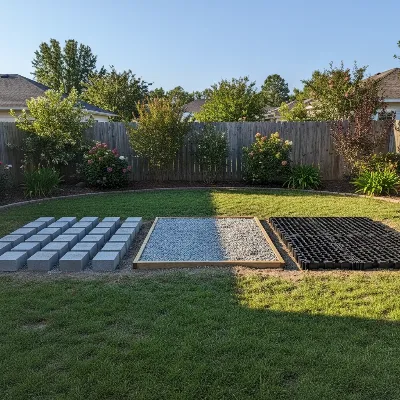 Various cost-effective shed foundation options like concrete blocks, a gravel pad, and plastic grids laid out in a backyard setting.
Guide to Building Your Storage Shed
Embarking on a DIY shed project requires a structured approach to ensure a successful and budget-friendly outcome. From planning to the final touches, each step contributes to the shed’s durability and functionality.
Steps to Choose the Right Shed
- Define Purpose and Size: Clearly determine what you will store or how you will use the shed. This dictates the optimal dimensions, preventing overspending on unnecessary space or frustration from insufficient room.
- Check Local Regulations: Always contact your local building department. While small sheds (often under 120 square feet) might be exempt from permits, specific height restrictions, setback requirements, or zoning laws could apply. Ignoring this step can lead to costly rework or fines.
- Select a Budget-Friendly Plan: Numerous free shed plans are available online from reputable DIY sites. These plans often include material lists and step-by-step instructions tailored for various skill levels and sizes. A well-chosen plan is your blueprint for success and cost efficiency.
- Source Materials Smartly: Prioritize reclaimed wood, especially pallets, which can be acquired for free from local businesses or construction sites. For new lumber, look for sales on pressure-treated wood for framing and floor joists. OSB or exterior-grade plywood offer affordable options for sheathing. Consider galvanized metal sheets or roofing felt for an inexpensive yet durable roof.
Money-Saving Tips
- Embrace Free Plans: Leverage the wealth of free online shed plans; there’s no need to pay for blueprints when excellent options are available without cost.
- Utilize Reclaimed Materials: Pallets are a DIY builder’s best friend. They can form the base, walls, and even door of your shed, dramatically cutting lumber expenses.
- Opt for Simple Foundations: Concrete blocks or a gravel pad are significantly cheaper and easier to install than a full concrete slab, while still providing excellent stability and drainage.
- Simplify the Design: A single-sloped (lean-to) roof or a basic gable roof requires less material and is easier to frame than more complex designs. Minimize windows and doors; they add cost and potential points of weakness.
- Borrow or Rent Tools: For specialized or expensive tools you’ll use only once, consider borrowing from friends or renting them for the project’s duration. Essential tools like a hammer, tape measure, speed square, level, handsaw/circular saw, and a drill/driver are often sufficient for basic shed construction.
Installation and Maintenance Notes
- Prepare the Foundation: Begin by clearing and leveling the chosen site. Lay down landscape fabric to suppress weeds, then add a layer of gravel for drainage. Place concrete blocks, deck blocks, or concrete pavers evenly to support the floor frame, ensuring everything is perfectly level.
- Build the Floor Frame: Construct the floor frame using pressure-treated 2x4s or 2x6s. Attach joist hangers if necessary and fasten the frame securely to the foundation elements. Install exterior-grade plywood or OSB for the flooring.
- Construct and Install Walls: Frame each wall section on the ground using 2x4s. If using pallets, deconstruct them and use the lumber for framing, or stack and secure whole pallets for a sturdy wall. Once framed, carefully raise each wall section, plumb it, and brace it temporarily before fastening it to the floor frame and adjacent walls.
- Frame the Roof: For a budget build, a simple gable or lean-to roof with basic rafters is ideal. Cut and assemble the roof trusses or rafters on the ground before raising them. Ensure the roof has an adequate slope for water runoff.
- Add Siding and Roofing: Cover the walls with your chosen siding material – be it affordable plywood, reclaimed pallet wood, or corrugated metal. For the roof, lay down roofing felt, followed by asphalt shingles or corrugated metal sheets. Ensure proper overhangs and install drip edges to direct water away from the shed walls.
- Install Doors and Windows: Build a simple door frame from wood, potentially using pallet wood for the door itself, and hang it with sturdy hinges. If adding windows, use styrene panes or repurpose old window sashes.
- Finishing Touches and Maintenance: After construction, treat all exterior wood with a protective stain or paint to prevent rot and extend the shed’s lifespan. Regularly inspect your shed for any signs of water intrusion, rot, or pest damage, addressing issues promptly to ensure lasting durability.
Creative Uses for Storage Sheds
A storage shed doesn’t have to be just a place to dump forgotten items. With a bit of imagination, your DIY wooden shed can transform into a functional and inviting space.
- Home Office or Studio: Escape household distractions by converting your shed into a quiet workspace. Add insulation, a small desk, and good lighting for a productive environment.
- Hobby Hub: Perfect for artists, crafters, or model builders, a shed offers a dedicated area for creative pursuits without cluttering your main living spaces.
- Gardener’s Potting Shed: Equip it with a potting bench, shelves for tools, and hooks for hanging equipment. It becomes a sanctuary for all your gardening needs.
- Kids’ Playhouse or Retreat: Paint it vibrant colors, add child-friendly furniture, and create a magical space for children to play or read.
- Workshop: For the DIY enthusiast, a shed can serve as a small workshop for woodworking, repairs, or other hands-on projects, keeping dust and noise out of the house.
Consider adding shelving, pegboards, and overhead storage to maximize vertical space. Personalize the exterior with paint, window boxes, or a small porch to make it an attractive feature in your yard.
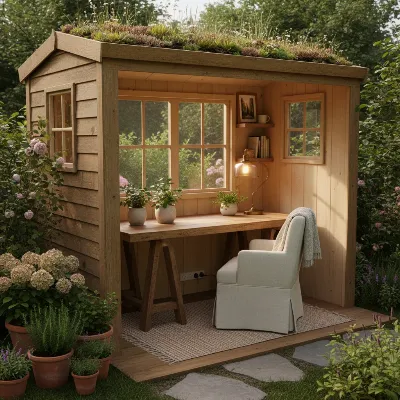 A backyard wooden shed creatively transformed into a small, inviting home office with a desk and window.
Conclusion
|
Our Picks for the Best Storage Shed in 2026
As an Amazon Associate I earn from qualifying purchases.
|
||
| Num | Product | Action |
|---|---|---|
| 1 | Housolution Bike Storage Tent Shed for 5 Bikes, Outdoor Portable 210D Oxford Thick PU4000 Waterproof Bike Cover with Ventilated Window, Bike Tent Fit for Bicycle, Lawn Mower, Garden Tools |

|
| 2 | Bike Storage Tent,for 2-10 Bikes, 118 x 86 x 72 in Outdoor Portable Bike Storage, 210D Oxford Fabric PU4000 Waterproof, 2 Rolling Doors, for Motorcycles or Large Motorcycles, Without Floor |
|
| 3 | Happy Travel Bike Storage Shed Tent,Outdoor Portable Bicycle Storage Sheds with 210D Oxford Fabric PU4000 Waterproof for 2/3/4/6/8 Bikes,Bike Covers Shelter for Motorcycle,Garden Tools,Toys,Lawn Mower |
|
| 4 | Happy Travel Bike Storage Tent Shed, Outdoor Waterproof Bicycle Covers Shelter with Window for 2/4/6/8 Bikes,Oversized Outside Portable Sheds for Lawn Mower,Garden Tools (Black) |
|
| 5 | 39.4" Larger Storage Shed Tent for Bike Motorcycle ebike eScooter Lawn Mower Outdoor Canopy Shelter Protection with Water Resistant Dustproof Windproof and Sunproof for RV Travel |
|
| 6 | Bike Storage Shed Tent,Bike Cover Waterproof Outdoor Storage Shed with 30% More Top Storage Space for 4-5Bikes,Portable Bicycle Shelter for Motorcycle,Garden Tools,Lawn Mower |
|
| 7 | Bike Storage Shed Tent, Outdoor Bicycle Storage Shed, Waterproof Portable Bike Covers Shelter, 7.2x4.9x6.1ft Large Garage Tent for Motorcycle, Garden Tools, Lawn Mower |
|
| 8 | Happy Travel Bike Storage Tent, Outdoor 8×7×6.3ft Large 2-in-1 Portable Shed More 30% Top Space W/Double Doors with Mesh, Outside Lawn Mower Shelter and Bicycle Cover for Patio Furniture, Garden Tools |
|
| 9 | Happy Travel Bike Storage Tent Shed, Outdoor Waterproof Bicycle Covers Shelter with Window for 2/3/4/6/8 Bikes,Oversized Outside Portable Sheds for Lawn Mower,Garden Tools |
|
| 10 | Bike Tent, 81 * 39 * 65 in Outdoor Portable Storage Sheds, 210D Oxford Thick Waterproof Fabric,PU4000 Waterproof for 2/3/4 Bikes,Bike Covers for Motorcycle,Garden Tools,Lawn Mower |
|
Building your own DIY wood storage shed on a tight budget is a highly rewarding endeavor that offers more than just extra space. It’s an opportunity to save money, exercise your creativity, and achieve the immense satisfaction of constructing something truly your own. By leveraging free plans, sourcing affordable or reclaimed materials, and simplifying your design, you can achieve a durable and functional shed without breaking the bank. With careful planning and a willingness to get your hands dirty, your ideal storage solution is well within reach. What will your custom-built wooden sanctuary become?
Frequently Asked Questions
Is it cheaper to build or buy a shed?
Building a shed yourself is generally more cost-effective than buying a pre-fabricated one, especially if you utilize free or low-cost materials like reclaimed pallets. You save significantly on labor costs, which can represent a large portion of a pre-built shed’s price.
What is the cheapest material for a shed?
Reclaimed pallets are often the cheapest, if not free, material for building a shed’s frame and siding. For flooring, OSB (Oriented Strand Board) is a very inexpensive option, though pressure-treated plywood offers better moisture resistance for a slight increase in cost.
What is the easiest shed to build for a beginner?
Lean-to or small gable-style sheds (e.g., 6×4 or 8×8 feet) are generally the easiest for beginners. Their simpler roof designs require fewer complex cuts and less material, making the construction process more manageable.
What kind of foundation is best for a budget shed?
Concrete blocks or a gravel pad are highly recommended for a budget shed foundation. They are cost-effective, relatively easy to install, provide good drainage, and elevate the shed to protect against moisture.
Do I need a permit to build a small shed?
Regulations vary by location, but small sheds, often those under 120 square feet, may not require a building permit. However, it is crucial to always check with your local municipal building department for specific requirements regarding size, height, and property line setbacks before starting your project.
How much does it cost to build a small shed DIY?
The cost can vary greatly. With extensive use of free reclaimed materials like pallets, a basic small shed (e.g., 10×10 feet) might cost less than $500. Using new, but affordable, lumber and materials, a small DIY shed typically ranges from $800 to $1,500.
Frequently Asked Questions
Is it cheaper to build or buy a shed?
Building a shed yourself is generally more cost-effective than buying a pre-fabricated one, especially if you utilize free or low-cost materials like reclaimed pallets. You save significantly on labor costs, which can represent a large portion of a pre-built shed's price.
What is the cheapest material for a shed?
Reclaimed pallets are often the cheapest, if not free, material for building a shed's frame and siding. For flooring, OSB (Oriented Strand Board) is a very inexpensive option, though pressure-treated plywood offers better moisture resistance for a slight increase in cost.
What is the easiest shed to build for a beginner?
Lean-to or small gable-style sheds (e.g., 6x4 or 8x8 feet) are generally the easiest for beginners. Their simpler roof designs require fewer complex cuts and less material, making the construction process more manageable.
What kind of foundation is best for a budget shed?
Concrete blocks or a gravel pad are highly recommended for a budget shed foundation. They are cost-effective, relatively easy to install, provide good drainage, and elevate the shed to protect against moisture.
Do I need a permit to build a small shed?
Regulations vary by location, but small sheds, often those under 120 square feet, may not require a building permit. However, it is crucial to always check with your local municipal building department for specific requirements regarding size, height, and property line setbacks before starting your project.
How much does it cost to build a small shed DIY?
The cost can vary greatly. With extensive use of free reclaimed materials like pallets, a basic small shed (e.g., 10x10 feet) might cost less than $500. Using new, but affordable, lumber and materials, a small DIY shed typically ranges from $800 to $1,500.
Build a Budget-Friendly DIY Wood Storage Shed
This guide outlines the steps to construct a durable and functional wooden storage shed on a budget, focusing on smart material selection and efficient construction methods.
Clear and level the chosen site, then lay down landscape fabric to suppress weeds. Add a layer of gravel for drainage and place concrete blocks or pavers evenly to support the floor frame, ensuring everything is perfectly level.
Construct the floor frame using pressure-treated 2x4s or 2x6s. Attach joist hangers if necessary and fasten the frame securely to the foundation elements. Install exterior-grade plywood or OSB for the flooring.
Frame each wall section on the ground using 2x4s. If using pallets, deconstruct them for framing or stack and secure whole pallets for sturdy walls. Raise each wall section, plumb it, brace it temporarily, and fasten it to the floor frame and adjacent walls.
For a budget build, a simple gable or lean-to roof with basic rafters is ideal. Cut and assemble the roof trusses or rafters on the ground before raising them. Ensure the roof has an adequate slope for water runoff.
Cover the walls with your chosen siding material, such as affordable plywood, reclaimed pallet wood, or corrugated metal. For the roof, lay down roofing felt, followed by asphalt shingles or corrugated metal sheets. Ensure proper overhangs and install drip edges.

The customization aspect was a big draw for me, and I did appreciate being able to design it exactly how I wanted. However, finding good quality reclaimed materials was harder than I expected in my area, which added some time to the build. The instructions were clear, but be prepared for some material hunting if you’re really trying to hit that low budget.
I was really skeptical about building a shed for under $500, but following the tips here, I actually did it! Using some reclaimed pallets for the siding saved a ton of money. It’s not fancy, but it’s super functional for all my gardening tools and keeps them out of the rain. Definitely a worthwhile weekend project.
This guide was a lifesaver for planning my 10×10 foot shed. The advice on strategic material selection really helped me keep costs down without sacrificing durability. I ended up spending a bit more than $500 because I opted for new roofing shingles, but it was still way cheaper than buying a pre-made one. Very happy with the result.
I’ve been wanting to declutter my garage for ages, and this DIY shed project was the perfect solution. The focus on efficient construction methods made it feel less intimidating for a beginner like me. My backyard looks so much tidier now, and I have a dedicated spot for all my outdoor gear. Highly recommend giving this a try!