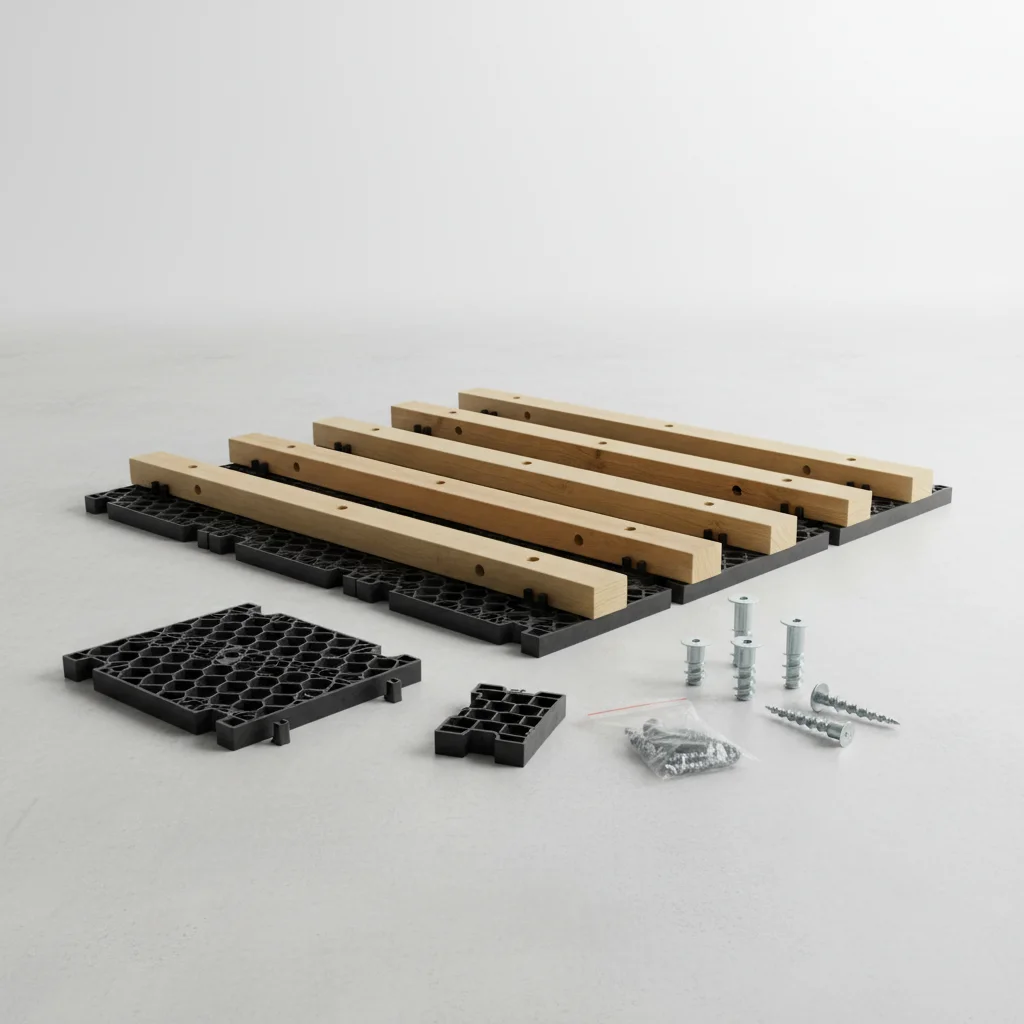
Choosing the right foundation for your storage shed is crucial for its longevity and stability. There are primarily three types of foundations suitable for most backyard storage sheds: gravel, concrete slab, and treated wood skids. Each option offers distinct advantages in terms of cost, durability, and ease of installation, making the best choice dependent on your specific needs, local climate, and the size and weight of your shed.
Gravel Foundation: A Cost-Effective and Drainage-Friendly Option
A gravel foundation is an excellent choice for many storage sheds, especially those with a built-in floor or a separate wood frame floor. It provides superior drainage, preventing moisture from accumulating under the shed and causing rot or mildew. Installation typically involves excavating a shallow area, laying down a weed barrier, and then filling it with 4-6 inches of compacted gravel, often contained within a treated lumber frame. This method is generally more affordable and easier to install than a concrete slab, making it a popular DIY option. It’s particularly well-suited for smaller to medium-sized sheds and areas prone to heavy rainfall. For best outdoor storage roundups on this site.
Concrete Slab Foundation: Maximum Durability and Stability
For the ultimate in durability and stability, a concrete slab foundation is unmatched. This option is ideal for larger, heavier sheds or those intended for long-term, heavy-duty use, such as workshops or garages. A concrete slab provides a perfectly level, solid surface that will not settle or shift over time, offering superior protection against moisture and pests. While more expensive and labor-intensive to install, requiring proper excavation, formwork, and pouring, its longevity and minimal maintenance often justify the initial investment. Ensure the slab is poured with a slight slope for drainage and consider adding rebar for extra strength.
Treated Wood Skid Foundation: Simple and Portable
|
Our Picks for the Best Storage Shed in 2026
As an Amazon Associate I earn from qualifying purchases.
|
||
| Num | Product | Action |
|---|---|---|
| 1 | 39.4" Larger Storage Shed Tent for Bike Motorcycle ebike eScooter Lawn Mower Outdoor Canopy Shelter Protection with Water Resistant Dustproof Windproof and Sunproof for RV Travel |

|
| 2 | Happy Travel Bike Storage Tent Shed, Outdoor Waterproof Bicycle Covers Shelter with Window for 2/4/6/8 Bikes,Oversized Outside Portable Sheds for Lawn Mower,Garden Tools (Black) |
|
| 3 | Happy Travel Bike Storage Tent, Outdoor 8×7×6.3ft Large 2-in-1 Portable Shed More 30% Top Space W/Double Doors with Mesh, Outside Lawn Mower Shelter and Bicycle Cover for Patio Furniture, Garden Tools |
|
| 4 | Happy Travel Bike Storage Shed Tent,Outdoor Portable Bicycle Storage Sheds with 210D Oxford Fabric PU4000 Waterproof for 2/3/4/6/8 Bikes,Bike Covers Shelter for Motorcycle,Garden Tools,Toys,Lawn Mower |
|
| 5 | Happy Travel Bike Storage Tent Shed, Outdoor Waterproof Bicycle Covers Shelter with Window for 2/3/4/6/8 Bikes,Oversized Outside Portable Sheds for Lawn Mower,Garden Tools |
|
| 6 | Bike Storage Tent,for 2-10 Bikes, 118 x 86 x 72 in Outdoor Portable Bike Storage, 210D Oxford Fabric PU4000 Waterproof, 2 Rolling Doors, for Motorcycles or Large Motorcycles, Without Floor |
|
| 7 | Bike Tent, 81 * 39 * 65 in Outdoor Portable Storage Sheds, 210D Oxford Thick Waterproof Fabric,PU4000 Waterproof for 2/3/4 Bikes,Bike Covers for Motorcycle,Garden Tools,Lawn Mower |
|
| 8 | Housolution Bike Storage Tent Shed for 5 Bikes, Outdoor Portable 210D Oxford Thick PU4000 Waterproof Bike Cover with Ventilated Window, Bike Tent Fit for Bicycle, Lawn Mower, Garden Tools |
|
| 9 | Bike Storage Shed Tent,Bike Cover Waterproof Outdoor Storage Shed with 30% More Top Storage Space for 4-5Bikes,Portable Bicycle Shelter for Motorcycle,Garden Tools,Lawn Mower |
|
| 10 | Bike Storage Shed Tent, Outdoor Bicycle Storage Shed, Waterproof Portable Bike Covers Shelter, 7.2x4.9x6.1ft Large Garage Tent for Motorcycle, Garden Tools, Lawn Mower |
|
A treated wood skid foundation offers a simple, often portable solution for smaller sheds. This method involves placing the shed directly onto a series of pressure-treated lumber skids, which rest on a leveled gravel bed or concrete blocks. The skids lift the shed off the ground, providing some air circulation and protection from moisture. This foundation type is relatively easy to install and can be moved if necessary, making it a good choice for renters or those who anticipate relocating their shed. However, it may not offer the same level of long-term stability as a concrete slab for very large or heavy structures.
Comparing Foundation Types: Key Considerations
When deciding between these foundation types, consider several factors. The size and weight of your shed are paramount; larger, heavier sheds generally benefit from the stability of concrete. Your budget will also play a significant role, with gravel being the most economical and concrete the most expensive. Local building codes may also dictate specific foundation requirements, so always check with your municipality before starting construction. Finally, consider the ground conditions; a gravel foundation can adapt well to slightly uneven terrain, while a concrete slab requires a perfectly level base.
- Gravel: Best for drainage and cost-effectiveness.
- Concrete Slab: Offers maximum durability and pest resistance.
- Treated Wood Skids: Provides portability and ease of installation.
- Consider shed size, budget, and local codes.
- Ensure proper leveling for any foundation type.
Installation Tips for a Lasting Foundation
Regardless of the foundation type you choose, proper preparation and installation are key to its success. Always start by clearing and leveling the site thoroughly. For gravel and concrete foundations, ensure adequate compaction to prevent settling. When using treated wood, make sure all lumber is rated for ground contact to resist rot and insect damage. Proper anchoring of your shed to its foundation is also critical, especially in windy areas, to prevent it from shifting or blowing away. Investing time in a solid foundation will protect your shed and its contents for years to come.
