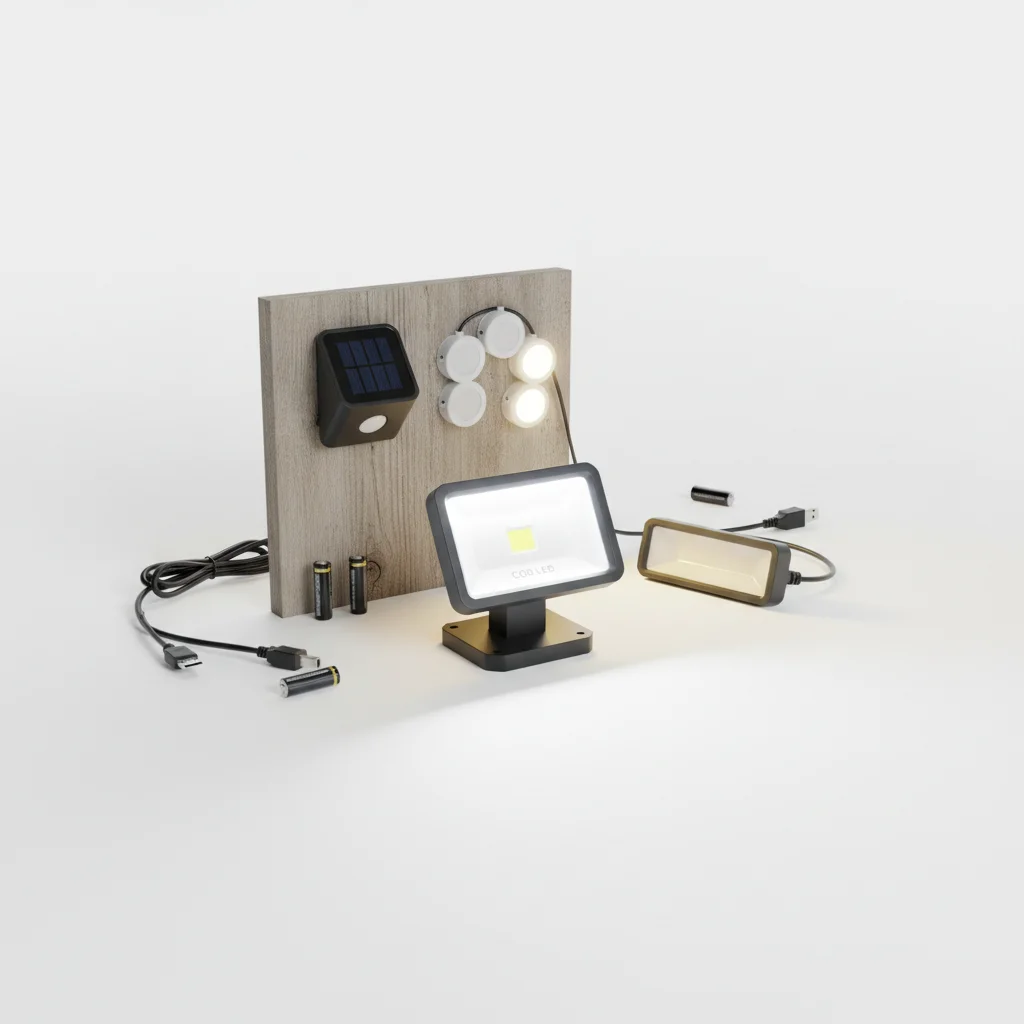
Effective storage shed lighting is crucial for visibility, safety, and productivity, especially in Utah’s varied climate where daylight hours can shift dramatically. The right lighting solution can transform a dark, cluttered space into an organized and functional workshop or storage area. There are five primary types of lighting solutions that cater to different needs and shed setups, ranging from simple battery-powered options to more robust solar and wired systems.
When selecting lighting, consider the shed’s primary use, its proximity to power sources, and your budget. For instance, a shed used primarily for occasional tool retrieval might benefit from a motion-activated, battery-powered light, while a workshop requires consistent, bright illumination. Understanding the pros and cons of each type will help you make an informed decision that enhances your shed’s utility.
Solar-Powered Storage Shed Lights: Eco-Friendly Illumination
Solar-powered lights offer an excellent, eco-friendly solution for sheds without access to grid electricity. These systems typically consist of a solar panel, a rechargeable battery, and LED light fixtures. The solar panel charges the battery during the day, and the stored energy powers the lights at night. Installation is generally straightforward, requiring no complex wiring, making them ideal for remote backyard sheds. Many models include motion sensors or remote controls for added convenience.
However, their performance can be affected by prolonged cloudy weather or insufficient sunlight exposure. It’s important to position the solar panel in an area that receives direct sunlight for most of the day. Look for units with durable, weather-resistant panels and high-capacity batteries for reliable operation, even during shorter winter days.
Battery-Operated LED Lights: Simple and Versatile
Battery-operated LED lights are perhaps the simplest and most versatile lighting option for any storage shed. These lights come in various forms, including puck lights, strip lights, and lanterns, and are powered by standard AA, AAA, or D batteries. Their main advantage is ease of installation; most can be mounted with adhesive strips, magnets, or a few screws, requiring no wiring whatsoever.
While convenient for occasional use, the need for battery replacement can be a drawback for sheds requiring frequent or prolonged illumination. Opt for models with energy-efficient LEDs to maximize battery life. Motion-activated versions are particularly useful for quick access to tools or supplies without fumbling for a switch.
Wired Electrical Lighting: Reliable and Powerful
|
Our Picks for the Best Storage Shed in 2026
As an Amazon Associate I earn from qualifying purchases.
|
||
| Num | Product | Action |
|---|---|---|
| 1 | Happy Travel Bike Storage Tent Shed, Outdoor Waterproof Bicycle Covers Shelter with Window for 2/3/4/6/8 Bikes,Oversized Outside Portable Sheds for Lawn Mower,Garden Tools |

|
| 2 | 39.4" Larger Storage Shed Tent for Bike Motorcycle ebike eScooter Lawn Mower Outdoor Canopy Shelter Protection with Water Resistant Dustproof Windproof and Sunproof for RV Travel |
|
| 3 | Bike Storage Shed Tent, Outdoor Bicycle Storage Shed, Waterproof Portable Bike Covers Shelter, 7.2x4.9x6.1ft Large Garage Tent for Motorcycle, Garden Tools, Lawn Mower |
|
| 4 | Bike Storage Shed Tent,Bike Cover Waterproof Outdoor Storage Shed with 30% More Top Storage Space for 4-5Bikes,Portable Bicycle Shelter for Motorcycle,Garden Tools,Lawn Mower |
|
| 5 | Bike Storage Tent,for 2-10 Bikes, 118 x 86 x 72 in Outdoor Portable Bike Storage, 210D Oxford Fabric PU4000 Waterproof, 2 Rolling Doors, for Motorcycles or Large Motorcycles, Without Floor |
|
| 6 | Happy Travel Bike Storage Tent, Outdoor 8×7×6.3ft Large 2-in-1 Portable Shed More 30% Top Space W/Double Doors with Mesh, Outside Lawn Mower Shelter and Bicycle Cover for Patio Furniture, Garden Tools |
|
| 7 | Bike Tent, 81 * 39 * 65 in Outdoor Portable Storage Sheds, 210D Oxford Thick Waterproof Fabric,PU4000 Waterproof for 2/3/4 Bikes,Bike Covers for Motorcycle,Garden Tools,Lawn Mower |
|
| 8 | Happy Travel Bike Storage Tent Shed, Outdoor Waterproof Bicycle Covers Shelter with Window for 2/4/6/8 Bikes,Oversized Outside Portable Sheds for Lawn Mower,Garden Tools (Black) |
|
| 9 | Happy Travel Bike Storage Shed Tent,Outdoor Portable Bicycle Storage Sheds with 210D Oxford Fabric PU4000 Waterproof for 2/3/4/6/8 Bikes,Bike Covers Shelter for Motorcycle,Garden Tools,Toys,Lawn Mower |
|
| 10 | Housolution Bike Storage Tent Shed for 5 Bikes, Outdoor Portable 210D Oxford Thick PU4000 Waterproof Bike Cover with Ventilated Window, Bike Tent Fit for Bicycle, Lawn Mower, Garden Tools |
|
For sheds that are regularly used as workshops or for tasks requiring consistent, bright light, wired electrical lighting is the most reliable choice. This option involves running an electrical line from your home’s main panel to the shed, which typically requires the expertise of a qualified electrician to ensure safety and compliance with local codes. Once wired, you can install standard light fixtures, outlets, and even heaters or fans.
The initial cost and complexity of installation are higher, but the benefits include unlimited power, brighter illumination, and the ability to power other tools and appliances. Consider installing a dedicated sub-panel in your shed for greater flexibility and safety. Fluorescent or LED tube lights are popular choices for their brightness and energy efficiency in a wired setup.
Motion-Activated Lighting: Smart and Energy-Efficient
Motion-activated lighting systems are a smart addition to any storage shed, regardless of the power source. These lights automatically turn on when movement is detected and turn off after a set period of inactivity, conserving energy and providing light only when needed. They are available in solar, battery-operated, and wired versions, offering flexibility for different shed setups.
- Enhances security by deterring potential intruders.
- Saves energy by only illuminating when necessary.
- Provides hands-free operation, ideal when carrying items.
- Reduces the need to fumble for switches in the dark.
- Available in various brightness levels and power sources.
For battery-powered units, motion activation significantly extends battery life. In wired systems, it reduces electricity consumption. Look for models with adjustable sensitivity and duration settings to customize their operation to your specific needs.
Skylights and Windows: Natural Light Solutions
While not an artificial lighting solution, incorporating skylights or windows into your storage shed design is an excellent way to maximize natural light during the day. This reduces the need for artificial lighting, saving energy and creating a more pleasant interior environment. Skylights are particularly effective as they bring light directly from above, illuminating the entire space.
When adding windows or skylights, ensure they are properly sealed and insulated to prevent leaks and maintain the shed’s temperature. Consider using polycarbonate or acrylic panels for skylights, as they are durable and shatter-resistant. For windows, double-pane glass can offer better insulation. Natural light can significantly improve the usability of your shed during daylight hours, making it feel less like a dark storage box and more like an extension of your home.

I tried one of the motion-activated, battery-powered lights for my garden shed. It works okay for quick trips to grab a shovel, but the light isn’t super bright and the batteries seem to drain faster than I expected. It’s fine for occasional use, but if you’re in there often, you might want something more robust.
I finally got around to installing some solar-powered lights in my shed, and what a difference! Before, it was impossible to find anything without a flashlight, especially during those shorter winter days. Now, it’s bright and easy to navigate, even after sunset. Highly recommend for anyone with a shed far from an electrical outlet.
My husband uses our shed as a workshop, and the old lighting was just not cutting it. We ended up going with a wired system, and the difference is night and day. It was a bit more work to install, but the consistent, bright illumination is exactly what he needed for his projects. No more squinting or shadows!
Living in Utah, the daylight hours really do shift, making shed lighting essential. I opted for a combination of solar and a small battery-powered unit for backup. It’s perfect for my needs, whether I’m just grabbing a rake or spending a bit more time organizing. Great to have options for different shed setups.