A wooden storage shed is an invaluable asset, providing essential space for tools, gardening equipment, or seasonal items. However, its longevity and the safety of its contents hinge significantly on one critical factor: a robustly waterproofed roof. Ignoring the signs of wear or failing to implement proper waterproofing can lead to a cascade of problems, from unsightly leaks and internal dampness to structural rot and the ruin of stored belongings. Protecting your shed roof is not just about preventing water ingress; it’s about preserving your investment and maintaining a functional, dry space for years to come. This comprehensive guide will walk you through understanding your roof’s vulnerabilities, selecting the right materials, and executing effective waterproofing strategies, ensuring your wooden shed stands resilient against the elements.
Understanding Your Wooden Shed Roof’s Vulnerabilities
The roof of your wooden shed is its primary defense against the elements, constantly exposed to rain, snow, harsh sunlight, and strong winds. Over time, this relentless exposure can lead to several common vulnerabilities. Wood can absorb moisture, leading to swelling, cracking, and eventually rot, especially if water is allowed to pool. UV radiation from the sun can degrade roofing materials, making them brittle and prone to cracking. Moss, algae, and mildew can also take hold, retaining moisture and accelerating the decay of wooden components. These issues not only compromise the structural integrity of your roof but also create pathways for water to seep into your shed, damaging contents and fostering an unhealthy, damp environment. Recognizing these threats is the first step toward effective waterproofing and prolonging your shed’s lifespan.
Essential Materials for Wooden Shed Roof Waterproofing
Choosing the right materials is paramount for effective and lasting shed roof waterproofing. Each material offers distinct advantages in terms of cost, durability, and ease of installation, allowing you to select the best fit for your specific needs and budget.
Roofing Felt
Roofing felt remains one of the most popular and cost-effective solutions for shed roofs. It’s designed to be a strong barrier against harsh weather.
- Pros: Inexpensive, relatively easy to install for DIY enthusiasts, provides reliable protection against rain and wind.
- Cons: Can be susceptible to tearing or lifting in strong winds if not properly secured, may have a shorter lifespan compared to other options.
- Types: Standard mineral felt, heavy-duty polyester-reinforced felt (more durable).
|
Our Picks for the Best Storage Shed in 2026
As an Amazon Associate I earn from qualifying purchases.
|
||
| Num | Product | Action |
|---|---|---|
| 1 | Happy Travel Bike Storage Tent, Outdoor 8×7×6.3ft Large 2-in-1 Portable Shed More 30% Top Space W/Double Doors with Mesh, Outside Lawn Mower Shelter and Bicycle Cover for Patio Furniture, Garden Tools |

|
| 2 | Bike Storage Shed Tent,Bike Cover Waterproof Outdoor Storage Shed with 30% More Top Storage Space for 4-5Bikes,Portable Bicycle Shelter for Motorcycle,Garden Tools,Lawn Mower |
|
| 3 | Bike Storage Shed Tent, Outdoor Bicycle Storage Shed, Waterproof Portable Bike Covers Shelter, 7.2x4.9x6.1ft Large Garage Tent for Motorcycle, Garden Tools, Lawn Mower |
|
| 4 | Bike Storage Tent,for 2-10 Bikes, 118 x 86 x 72 in Outdoor Portable Bike Storage, 210D Oxford Fabric PU4000 Waterproof, 2 Rolling Doors, for Motorcycles or Large Motorcycles, Without Floor |
|
| 5 | Happy Travel Bike Storage Tent Shed, Outdoor Waterproof Bicycle Covers Shelter with Window for 2/4/6/8 Bikes,Oversized Outside Portable Sheds for Lawn Mower,Garden Tools (Black) |
|
| 6 | Happy Travel Bike Storage Tent Shed, Outdoor Waterproof Bicycle Covers Shelter with Window for 2/3/4/6/8 Bikes,Oversized Outside Portable Sheds for Lawn Mower,Garden Tools |
|
| 7 | Housolution Bike Storage Tent Shed for 5 Bikes, Outdoor Portable 210D Oxford Thick PU4000 Waterproof Bike Cover with Ventilated Window, Bike Tent Fit for Bicycle, Lawn Mower, Garden Tools |
|
| 8 | Bike Tent, 81 * 39 * 65 in Outdoor Portable Storage Sheds, 210D Oxford Thick Waterproof Fabric,PU4000 Waterproof for 2/3/4 Bikes,Bike Covers for Motorcycle,Garden Tools,Lawn Mower |
|
| 9 | Happy Travel Bike Storage Shed Tent,Outdoor Portable Bicycle Storage Sheds with 210D Oxford Fabric PU4000 Waterproof for 2/3/4/6/8 Bikes,Bike Covers Shelter for Motorcycle,Garden Tools,Toys,Lawn Mower |
|
| 10 | 39.4" Larger Storage Shed Tent for Bike Motorcycle ebike eScooter Lawn Mower Outdoor Canopy Shelter Protection with Water Resistant Dustproof Windproof and Sunproof for RV Travel |
|
Asphalt Shingles
Often seen on residential homes, asphalt shingles can also be a durable option for shed roofs, offering superior protection and aesthetics.
- Pros: Highly durable, excellent weather resistance, aesthetically pleasing, long lifespan.
- Cons: More expensive than felt, installation can be more complex, adds significant weight to the roof structure.
EPDM Rubber Membranes
EPDM (ethylene propylene diene monomer) rubber is a single-ply membrane known for its exceptional durability and flexibility.
- Pros: Extremely long-lasting (often 20+ years), highly resistant to UV and extreme temperatures, relatively easy to install in one piece on smaller roofs, requiring fewer seams.
- Cons: Higher upfront cost than felt, requires specific adhesive for installation, aesthetics may not appeal to everyone.
Waterproof Coatings and Sealants
These liquid applications offer a seamless, protective layer that can extend the life of an existing roof or provide initial waterproofing.
- Pros: Creates a continuous, seamless barrier, can be applied over existing surfaces (like old felt in good condition), good for irregular shapes, helps prevent rot and warping.
- Cons: Requires thorough surface preparation, drying time can be a factor, reapplication may be necessary every few years.
- Types: Bitumen-based liquid rubber, acrylic sealants, silicone-based coatings, wood preservatives with water-repellent properties.
Preparing Your Shed Roof for Waterproofing
Proper preparation is the cornerstone of any successful waterproofing project. Skipping these crucial steps can compromise the effectiveness and longevity of your chosen material.
First, thoroughly clean your shed roof. Remove all debris such as leaves, branches, and dirt. A stiff brush or a leaf blower can be effective. If you notice moss, algae, or mildew, treat these areas with a suitable outdoor cleaner or a diluted bleach solution to kill any organic growth, then scrub and rinse. Ensure all residues are completely removed.
Next, inspect the roof for any damage. Look for loose or missing felt, cracked shingles, soft spots in the wooden decking indicating rot, or exposed nail heads. Any damaged or rotten timber boards should be repaired or replaced before proceeding, as they will not provide a stable base for new waterproofing. For minor cracks or holes in the existing roof boards, use an exterior-grade wood filler. If you have existing felt that is in poor condition, it’s often best to remove it entirely to get a clean surface.
Finally, ensure the roof is completely dry before applying any waterproofing material. Moisture trapped underneath new felt or a liquid coating can lead to blistering, poor adhesion, and premature failure. Choose a dry, warm day with no rain in the forecast for both preparation and application.
Step-by-Step Guide: Easy Wooden Shed Roof Waterproofing Methods
Once your shed roof is prepped, you can proceed with the waterproofing method that best suits your needs. Here are common approaches.
Method 1: Installing Roofing Felt
Roofing felt is a classic and reliable choice for shed roofs, offering a good balance of protection and affordability.
- Remove Old Felt (if applicable): Carefully pry off any old felt and nails. Inspect the wooden roof boards underneath for damage and repair as needed.
- Cut Felt to Size: Measure the length of your roof, adding enough extra to overhang the edges by about 2-3 inches on all sides. Cut the felt into manageable strips. For a standard apex roof, start with a strip for the bottom edge, then subsequent strips overlapping.
- Lay the First Strip: Begin at the lowest edge of the roof (eaves). Roll out the first strip, ensuring the overhang is even. Secure it with galvanised clout nails, placed about 6 inches apart along the edges, or use a suitable roofing felt adhesive.
- Overlap Subsequent Strips: Lay the next strip, overlapping the previous one by at least 2-3 inches (check manufacturer instructions for exact overlap). This creates a watertight seal. Continue this process, working your way up the roof until you reach the ridge.
- Address the Ridge: For an apex roof, the final piece should drape over the ridge, overlapping the felt on both sides. Secure it firmly with nails or adhesive.
- Seal Edges: Fold the overhanging felt edges neatly under the fascia boards and secure them. For added protection, apply a roof sealant or waterproof tape along all exposed felt edges and seams to prevent wind lift and water ingress.
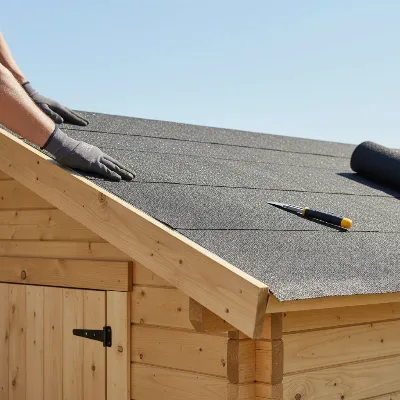 Worker installing roofing felt on a wooden shed roof, overlapping strips for waterproofing
Method 2: Applying Liquid Rubber or Waterproof Coating
Liquid rubber or other waterproof coatings provide a seamless, durable barrier. This method is excellent for extending the life of an existing, structurally sound roof or providing a new, flexible waterproof layer.
- Surface Preparation is Key: Ensure the roof surface is meticulously clean, dry, and free of any loose debris, moss, or existing flaky paint/felt. Patch any holes or cracks in the wooden deck with appropriate filler.
- Apply Primer (if required): Some liquid coatings require a primer for optimal adhesion. Follow the manufacturer’s instructions diligently.
- First Coat Application: Using a roller or brush, apply an even first coat of the liquid rubber or waterproof coating across the entire roof surface. Pay special attention to edges, seams, and any areas around vents or skylights, ensuring thorough coverage.
- Curing Time: Allow the first coat to cure fully according to the product’s specifications. This can range from a few hours to a full day, depending on temperature and humidity.
- Second Coat Application: Once the first coat is dry, apply a second, even coat. This layering enhances durability and ensures a robust waterproof seal. For best results, some products recommend applying coats in perpendicular directions.
- Final Inspection: After the final coat has cured, inspect the entire roof for any missed spots or uneven application. Touch up as needed.
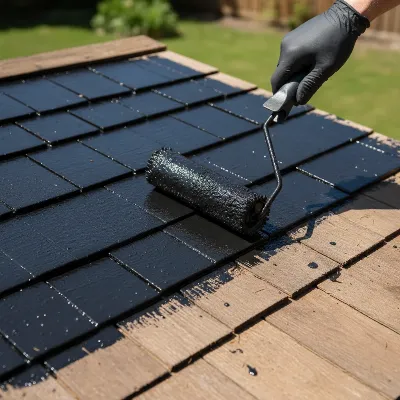 Hand applying liquid rubber waterproof coating to a wooden shed roof with a roller
Method 3: Asphalt Shingle Installation (Brief Overview)
While more involved, asphalt shingles offer superior protection and a longer lifespan.
- Install Underlayment: After preparing the roof, install a roofing underlayment (felt or synthetic) for an extra layer of protection.
- Starter Course: Begin at the eaves with a starter course of shingles, ensuring proper overhang.
- Lay Shingles: Install subsequent shingle courses, overlapping them according to manufacturer guidelines, securing each with roofing nails. Ensure proper alignment and staggering of tabs.
- Ridge Cap: Finish with special ridge cap shingles at the peak of an apex roof.
Enhancing Roof Longevity: Maintenance and Additional Measures
A waterproofed shed roof is a fantastic start, but ongoing maintenance and additional measures can significantly extend its lifespan and overall effectiveness. Consider these practices to keep your shed roof in top condition.
Firstly, regular inspections are vital. At least twice a year, typically in spring and autumn, climb a ladder (safely!) and visually inspect your roof. Look for any signs of wear, such as cracked felt, loose shingles, peeling coatings, or visible damage. Early detection of issues allows for prompt, minor repairs, preventing them from escalating into costly leaks.
Guttering installation and clearing is another critical step. Rainwater sheeting directly off the roof can cause splashback onto the shed walls, leading to dampness and rot at the base. Installing gutters and downspouts effectively diverts this water away from the shed’s structure and foundation. Regularly clear gutters of leaves and debris to prevent blockages, which can cause water to back up and overflow, undermining their purpose.
Furthermore, sealing gaps around the roofline and fascia boards provides an extra layer of protection. Over time, wood can shrink or expand, creating small gaps where water can penetrate. Use an exterior-grade, flexible sealant or caulk to fill any such openings, especially where the roof meets the walls or fascia.
Finally, good ventilation for internal moisture control is often overlooked but crucial. Even with a perfectly waterproof exterior, condensation can form inside the shed due to temperature fluctuations and humidity. Installing vents (ridge vents, static vents, or gable vents) encourages airflow, reduces moisture buildup, and prevents mold, mildew, and internal dampness, protecting both your shed’s structure and its contents.
| Feature | Roofing Felt (Mineral Felt) | EPDM Rubber Membrane | Liquid Waterproof Coatings |
|---|---|---|---|
| Cost (DIY Materials) | Low | Medium-High | Medium |
| Durability | 5-10 years | 20+ years | 5-15 years (varies by product) |
| Ease of Installation | Easy (requires cutting and nailing) | Moderate (requires careful adhesion) | Easy (paint-on application) |
| Seamless Finish | No (requires overlaps) | Yes (single sheet for most sheds) | Yes |
| UV Resistance | Moderate | Excellent | Good (varies by product) |
| Maintenance | Regular inspection, seal edges | Minimal, occasional cleaning | Regular inspection, reapply as needed |
| Aesthetics | Basic, functional | Modern, dark, low-profile | Varies (can be painted/tinted) |
Conclusion
Waterproofing your wooden storage shed roof is a vital maintenance task that directly impacts the lifespan of your shed and the safety of its contents. By understanding the vulnerabilities of your roof, selecting appropriate materials like roofing felt, EPDM membranes, or liquid coatings, and diligently following preparation and application steps, you can create a robust defense against the elements. Remember that the easiest and most effective waterproofing also involves consistent maintenance, from regular inspections and clearing debris to ensuring proper guttering and ventilation. Don’t wait for the first leak to take action; proactive waterproofing will save you time, money, and hassle in the long run. Which waterproofing method best suits your shed’s current condition and your long-term goals?
Frequently Asked Questions
What is the easiest way to waterproof a wooden shed roof?
The easiest methods often involve applying roofing felt or a liquid waterproof coating. Roofing felt is straightforward to nail down with overlaps, while liquid coatings can be simply painted or rolled on, creating a seamless barrier. Both require careful preparation of the roof surface for best results.
How often should a wooden shed roof be re-waterproofed?
The frequency depends on the material used. Roofing felt typically lasts 5-10 years and may need replacement or repair within that time. Liquid coatings vary, often requiring reapplication every 5-15 years. EPDM membranes offer longer lifespans, potentially 20 years or more, with minimal re-waterproofing needed.
Can I waterproof an old shed roof without replacing it entirely?
Yes, often. If the underlying wooden structure is sound, you can waterproof an old shed roof. This might involve cleaning, repairing minor damage, and then applying a new layer of roofing felt, a liquid waterproof coating, or even installing new shingles over a solid base.
What are the signs that my shed roof needs waterproofing?
Key signs include visible leaks inside the shed, damp or moldy contents, dark stains on the ceiling or walls, peeling paint on the interior, or visible damage to the exterior roofing material such as cracks, tears, or rotting wood. Sagging areas also indicate a need for immediate attention.
Does proper ventilation help waterproof a shed roof?
While ventilation doesn’t directly waterproof the exterior, it plays a crucial role in preventing internal moisture issues. Good airflow reduces condensation buildup inside the shed, which can otherwise lead to dampness, mold, and rot in the roof structure from the inside out, complementing external waterproofing efforts.
