Choosing the ideal storage shed for your property can feel like a significant decision. You’re not just looking for a place to stow away garden tools; you’re investing in an extension of your home that needs to fit your lifestyle, budget, and local environment. With advancements in materials and design, the timeless debate between wood and metal storage sheds continues to evolve. In 2026, understanding the distinct characteristics of each material is crucial to finding a solution that not only meets your immediate storage needs but also offers lasting value. Let’s explore which type of storage shed might be the perfect fit for you.
Understanding Storage Shed Types: Wood vs. Metal
When weighing your options, it’s essential to understand the fundamental differences between wood and metal storage sheds. Each offers a unique blend of advantages and disadvantages that cater to various homeowner preferences and practical requirements. We will delve into these aspects to provide a clear picture for your informed choice.
Wood Storage Sheds: Natural Charm and Versatility
Wood storage sheds are celebrated for their classic appearance and remarkable adaptability, often enhancing a property’s aesthetic appeal. They are frequently chosen by homeowners who desire a structure that complements their existing landscape and home architecture.
Pros of Wood Storage Sheds:
- Aesthetic Appeal: Wood boasts a natural, timeless look that seamlessly integrates into most outdoor settings, providing a rustic charm that utilitarian structures often lack.
- Customization Options: This material offers unparalleled versatility in design, allowing for various styles, finishes, and architectural features. You can easily paint, stain, or modify a wooden shed with shelving, windows, or doors to match your specific vision.
- Insulation: Wood naturally offers better insulation properties than metal, helping to regulate internal temperatures. This makes wooden sheds more comfortable and energy-efficient, suitable for year-round use or conversion into workshops or offices.
- Repairability: Unlike metal, individual wooden components can often be repaired or replaced if damaged, extending the shed’s overall lifespan.
- Environmentally Friendly: As a renewable resource, wood, particularly FSC-certified timber, is considered an eco-friendly choice for shed construction, aligning with growing sustainability trends in 2026.
Cons of Wood Storage Sheds:
- Maintenance Requirements: Wood sheds demand consistent care, including regular sealing or painting every few years to protect against moisture, UV exposure, and weathering.
- Susceptibility to Rot and Decay: Without adequate protection, wood is vulnerable to prolonged moisture exposure, leading to rot and decay, particularly in wet or humid climates.
- Vulnerability to Pests: Certain wood species are naturally resistant, but untreated wood can attract insects like termites and carpenter ants, which can compromise the structure.
- Higher Initial Cost: Typically, wood sheds have a higher upfront cost compared to metal or plastic alternatives due to material expenses and more complex construction.
- Fire Risk: Wood is inherently combustible, making these sheds more susceptible to fire, a factor to consider in dry or wildfire-prone areas.
|
Our Picks for the Best Storage Shed in 2026
As an Amazon Associate I earn from qualifying purchases.
|
||
| Num | Product | Action |
|---|---|---|
| 1 | Happy Travel Bike Storage Tent, Outdoor 8×7×6.3ft Large 2-in-1 Portable Shed More 30% Top Space W/Double Doors with Mesh, Outside Lawn Mower Shelter and Bicycle Cover for Patio Furniture, Garden Tools |

|
| 2 | Bike Storage Shed Tent, Outdoor Bicycle Storage Shed, Waterproof Portable Bike Covers Shelter, 7.2x4.9x6.1ft Large Garage Tent for Motorcycle, Garden Tools, Lawn Mower |
|
| 3 | Housolution Bike Storage Tent Shed for 5 Bikes, Outdoor Portable 210D Oxford Thick PU4000 Waterproof Bike Cover with Ventilated Window, Bike Tent Fit for Bicycle, Lawn Mower, Garden Tools |
|
| 4 | Happy Travel Bike Storage Tent Shed, Outdoor Waterproof Bicycle Covers Shelter with Window for 2/4/6/8 Bikes,Oversized Outside Portable Sheds for Lawn Mower,Garden Tools (Black) |
|
| 5 | Bike Tent, 81 * 39 * 65 in Outdoor Portable Storage Sheds, 210D Oxford Thick Waterproof Fabric,PU4000 Waterproof for 2/3/4 Bikes,Bike Covers for Motorcycle,Garden Tools,Lawn Mower |
|
| 6 | Bike Storage Tent,for 2-10 Bikes, 118 x 86 x 72 in Outdoor Portable Bike Storage, 210D Oxford Fabric PU4000 Waterproof, 2 Rolling Doors, for Motorcycles or Large Motorcycles, Without Floor |
|
| 7 | Bike Storage Shed Tent,Bike Cover Waterproof Outdoor Storage Shed with 30% More Top Storage Space for 4-5Bikes,Portable Bicycle Shelter for Motorcycle,Garden Tools,Lawn Mower |
|
| 8 | 39.4" Larger Storage Shed Tent for Bike Motorcycle ebike eScooter Lawn Mower Outdoor Canopy Shelter Protection with Water Resistant Dustproof Windproof and Sunproof for RV Travel |
|
| 9 | Happy Travel Bike Storage Shed Tent,Outdoor Portable Bicycle Storage Sheds with 210D Oxford Fabric PU4000 Waterproof for 2/3/4/6/8 Bikes,Bike Covers Shelter for Motorcycle,Garden Tools,Toys,Lawn Mower |
|
| 10 | Happy Travel Bike Storage Tent Shed, Outdoor Waterproof Bicycle Covers Shelter with Window for 2/3/4/6/8 Bikes,Oversized Outside Portable Sheds for Lawn Mower,Garden Tools |
|
Applications of Wood Storage Sheds:
Wood sheds excel as backyard workshops, dedicated garden sheds, or even converted home offices, where aesthetics, insulation, and customization are primary concerns. They are ideal for homeowners who value a natural appearance and are willing to invest in maintenance.
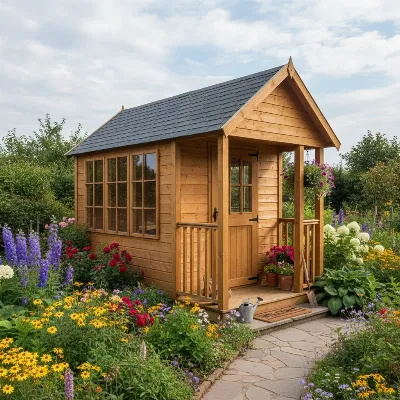 A beautifully customized wooden storage shed with large windows and a garden in the foreground, showcasing its aesthetic appeal and blend with the backyard landscape.
Metal Storage Sheds: Durability and Practicality
Metal storage sheds are renowned for their robust construction and minimal upkeep, making them a practical choice for utility-focused storage. They offer strong resistance to many common outdoor challenges.
Pros of Metal Storage Sheds:
- Affordability: Metal sheds are generally more budget-friendly, especially prefabricated kits, making them an attractive option for cost-conscious buyers.
- Low Maintenance: These sheds require significantly less hands-on care. A simple rinse is often enough, with no need for frequent painting or sealing, aside from occasional checks for rust.
- Pest and Fire Resistance: Metal offers strong resistance to pests like rodents and insects, and it is non-combustible, providing an added layer of security, especially when storing flammable items.
- Longevity: When properly constructed from materials like galvanized steel, metal sheds can last for many years, often exceeding 25+ years with minimal issues.
- Quick Assembly: Many metal sheds come as pre-fabricated kits with clear instructions, making them a DIY-friendly option for quicker installation.
Cons of Metal Storage Sheds:
- Aesthetics: Metal sheds often have a more industrial or utilitarian appearance, which may not blend as seamlessly with traditional home aesthetics as wood.
- Prone to Rust: While many are galvanized or coated, scratches or prolonged moisture exposure can lead to rust and corrosion, especially in damp environments.
- Dents: Metal siding can be susceptible to dents from impacts, which can be an eyesore and difficult to repair.
- Limited Customization: Modifying metal sheds with features like windows or additional doors can be challenging, requiring specialized tools and skills.
- Poor Insulation: Metal conducts temperature efficiently, meaning metal sheds can become very hot in summer and cold in winter, making them less suitable for climate-sensitive storage or habitable spaces.
- Anchoring Required: Due to their lighter weight compared to wood, metal sheds typically require anchoring to a base to ensure stability against strong winds.
Applications of Metal Storage Sheds:
Metal sheds are ideal for straightforward utility storage, housing lawn equipment, bikes, or seasonal items where appearance is less critical than cost and minimal maintenance. They are a practical choice for those seeking a durable, no-fuss solution.
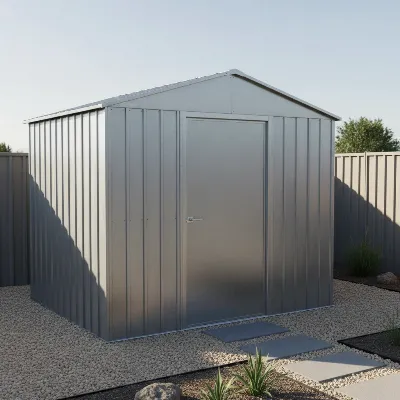 A sleek, modern metal storage shed serving as a utility space in a minimalist backyard setting, emphasizing its functional design.
Key Factors When Choosing Your Storage Shed
Selecting the perfect storage shed involves more than just picking a material; it means evaluating several key factors that influence its functionality, longevity, and how well it integrates with your property. Considering these aspects will guide you toward a solution tailored to your specific needs for 2026 and beyond.
Durability and Longevity
How long do you expect your shed to last? This is a critical question. Metal sheds, especially those made from galvanized steel, are praised for their robust exterior and resistance to warping, rot, and insects, often lasting over 25 years with proper care. However, they can rust if their protective coating is compromised or in extremely damp conditions. Wood sheds, while naturally strong and capable of lasting 20-25 years, require regular maintenance to prevent issues like rot, insect damage, and warping from moisture and temperature fluctuations.
Maintenance Requirements
Your willingness to commit to upkeep will heavily influence your choice. Metal sheds are significantly lower maintenance, generally requiring only occasional cleaning and checks for rust or corrosion. Wood sheds, on the other hand, demand more attention: periodic sealing or painting to protect against the elements, along with routine inspections for pests and decay. This ongoing care is essential to preserve their structural integrity and appearance.
Cost: Initial Investment vs. Long-Term Value
Cost is often a deciding factor. Metal sheds typically have a lower upfront cost, with prefabricated steel shed kits being budget-friendly and installation costs averaging around $1,000. This makes them an attractive option for immediate, affordable storage. Wood sheds, conversely, tend to have a higher initial price due to material costs and often requiring more complex installation, which can average around $4,000. However, many consider wood an investment that offers better long-term value, durability, and resale appeal, especially when well-maintained.
Aesthetics and Customization
The visual impact of your shed on your property is important. Wood is the clear winner for aesthetics and personalization, offering a natural look that can be painted or stained to match your home and easily customized with windows, unique rooflines, or different finishes. Metal sheds often present a more utilitarian or industrial appearance and offer limited design flexibility, making them primarily suitable for functional storage rather than enhancing backyard decor.
Installation and Foundation
Ease of installation can vary significantly. Metal sheds often come as DIY-friendly kits with pre-cut parts and straightforward instructions, making them easier to assemble. They are also lighter, though they still require anchoring to a base for stability. Wood sheds, especially larger or custom designs, frequently necessitate professional installation or advanced carpentry skills and a more substantial foundation due to their weight.
Security and Weather Resistance
Protecting your belongings is paramount. Metal sheds offer strong resistance to pests, fire, and many weather conditions like rain and snow. However, they can dent from strong impacts and may require additional anchoring in high-wind areas. Wood sheds provide solid structural strength and insulation, which helps protect against shifting temperatures, but they are vulnerable to rot, decay, and pest infestation if not adequately treated and maintained. They also pose a higher fire risk.
Head-to-Head Comparison: Wood vs. Metal Sheds
To simplify your decision-making process, here’s a direct comparison of wood and metal storage sheds across key attributes. This table highlights their strengths and weaknesses, offering a concise overview for choosing the best fit for your needs.
| Feature | Wood Storage Sheds | Metal Storage Sheds |
|---|---|---|
| Initial Cost | Higher (often >$1,000 for kits, $4,000 for installation) | Lower (often <$1,000 for kits, $1,000 for installation) |
| Maintenance | High (regular painting, sealing, pest checks) | Low (occasional cleaning, rust checks) |
| Durability | Durable with maintenance (20-25 years); prone to rot/pests if neglected | Very durable (10-25+ years); rust potential if coating damaged; can dent |
| Aesthetics | Excellent; natural, customizable, blends with landscape | Utilitarian; industrial look; limited style options |
| Customization | High; easy to paint, modify, add features | Low; difficult to modify or customize |
| Pest Resistance | Low (vulnerable to termites, rodents if untreated) | High (resistant to most pests) |
| Fire Resistance | Low (combustible) | High (non-combustible) |
| Insulation | Good (natural insulating properties) | Poor (conducts heat/cold easily) |
| Installation | Often requires professional skills, more complex | DIY-friendly kits, quicker assembly |
| Weight/Anchoring | Heavier, more stable; less prone to lift | Lighter, requires anchoring in windy conditions |
> “In 2026, we see homeowners increasingly balancing immediate cost with long-term performance and environmental impact. While metal offers initial savings and low upkeep, the timeless appeal and adaptability of wood, especially with engineered advancements, continue to make it a strong contender for those valuing aesthetics and customization.” – Admin, ReviewUtah.com
Top Brands and Storage Shed Trends for 2026
The storage shed market in 2026 is evolving beyond basic utility, driven by demands for sustainability, versatility, and smart integration. Homeowners are seeking structures that offer more than just storage, reflecting a broader trend towards maximizing outdoor living spaces.
Key trends shaping modern storage sheds include:
- Multi-Purpose Functionality: Sheds are increasingly designed to serve multiple roles, acting not only as storage units but also as home offices, art studios, gyms, or even guest houses. Modern blueprints often incorporate features like fold-down workbenches or insulated walls to facilitate these varied uses.
- Sustainable Materials: There’s a growing preference for eco-friendly options. This includes the use of recycled steel, FSC-certified timber, and engineered wood products like LP® SmartSide® siding, which offers enhanced durability and resistance to moisture, warping, and decay.
- Modular Designs: Prefabricated and extensible units are gaining popularity for their fast assembly and flexible expansion capabilities, allowing homeowners to adapt their sheds as their needs change.
- Smart Technology Integration: Even backyard sheds are getting smarter. Expect to see more solar-powered lighting, app-controlled locks, and environmental sensors that monitor humidity and temperature, preserving sensitive tools and supplies.
While brand preferences can be regional, leading manufacturers like Lifetime, Arrow, and Tuff Shed continue to offer a wide range of options in both metal and wood, often incorporating these emerging trends into their product lines. The focus for 2026 is on sheds that are not only durable but also smart, adaptable, and environmentally conscious.
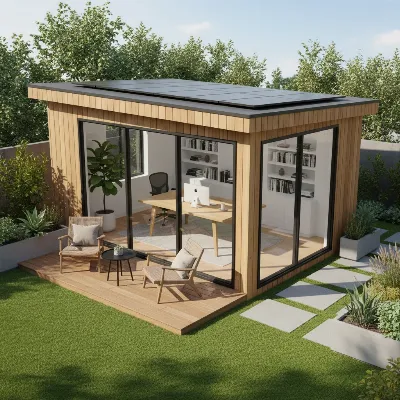 A contemporary wooden shed designed as a home office with solar panels on the roof, demonstrating multi-purpose functionality and sustainable design trends.
Making Your Decision: A Step-by-Step Guide
Deciding between a wood or metal storage shed doesn’t have to be daunting. By systematically evaluating your needs and preferences, you can confidently select the option that will best serve you for years to come.
- Assess Your Needs: What will you primarily use the storage shed for? Is it purely for basic storage of garden tools and equipment, or do you envision it as a workshop, an extra living space, or a dedicated hobby area? If insulation, aesthetics, or extensive customization are priorities, wood might be more suitable. If low maintenance and cost-effectiveness are paramount, metal could be the better choice.
- Set Your Budget: Consider both the initial purchase price and long-term costs. Metal sheds generally offer a lower upfront investment and minimal maintenance expenses. While wood sheds have a higher initial cost, their durability and potential for increased property value can offer a better long-term return with proper care. Don’t forget to factor in potential installation costs, which can vary significantly by material.
- Consider Your Climate: The local weather plays a significant role. In areas with high humidity or frequent rainfall, wood sheds will require diligent sealing and pest control to prevent rot and insect damage. Metal sheds, especially galvanized steel, generally handle rain and snow well but may be prone to rust if coatings are scratched. Extreme temperatures can make uninsulated metal sheds very uncomfortable, whereas wood provides better natural insulation.
- Check Local Regulations: Before making a purchase, always verify local building codes, zoning laws, and Homeowners Association (HOA) rules. Some areas have restrictions on shed size, placement, materials, or even aesthetic requirements that could influence your choice between wood and metal. Permits may also be required for certain sizes or types of structures.
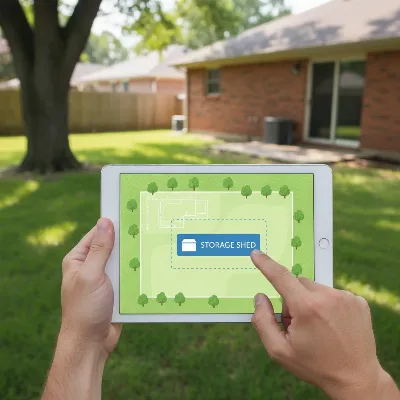 An aerial view of a person planning the ideal placement of a storage shed in a backyard using a tablet, considering various environmental factors.
Creative Uses Beyond Storage
Modern storage sheds are far more versatile than their traditional counterparts, offering innovative ways to expand your living space without the expense of a home addition. With careful planning, your shed can transform into a functional and inspiring extension of your home.
Consider turning your storage shed into a tranquil home office, providing a quiet retreat away from household distractions. Add a desk, comfortable chair, and proper lighting to create an ideal workspace. Alternatively, it could become a dedicated hobby studio, perfect for painting, pottery, or crafting, offering ample space for tools and materials. For fitness enthusiasts, a shed can be converted into a compact home gym, equipped with weights, a treadmill, or yoga mats. It’s a great way to stay active without occupying indoor space. Even a children’s playhouse or a cozy reading nook can bring new life to an underutilized shed. The possibilities are vast, limited only by your imagination and local regulations.
Conclusion
Choosing between a wood and metal storage shed in 2026 ultimately comes down to a careful balance of your priorities. If you value aesthetic appeal, extensive customization, and natural insulation, and are willing to commit to regular maintenance, a wood storage shed may be your ideal choice. It offers a classic look and the flexibility to match your home’s unique style. However, if affordability, minimal upkeep, and strong resistance to pests and fire are your top concerns, a metal storage shed provides a highly practical and durable solution.
Both materials have evolved, with engineered wood products and galvanized steels offering enhanced longevity and performance. The “better” option isn’t universal; it’s the one that aligns perfectly with your budget, climate, aesthetic preferences, and the amount of maintenance you’re prepared to handle.
What features are most important to you when imagining your perfect backyard storage solution?
Frequently Asked Questions
Are metal sheds truly maintenance-free?
While metal sheds require significantly less maintenance than wood, they are not entirely maintenance-free. You’ll need to periodically clean them and check for any signs of rust or corrosion, especially if the protective coating gets scratched, to ensure their longevity.
Can I customize a metal shed to match my home?
Customizing metal sheds is more challenging than wood. While you can paint them, structural modifications like adding windows or changing rooflines require specialized tools and skills, limiting your design options compared to the versatile nature of wood.
How much more expensive is a wooden shed compared to a metal one?
Wooden sheds typically have a higher initial cost, ranging from $1,000 to over $4,000 for kits and installation, whereas metal sheds often start under $1,000 and have lower installation costs. However, wood can offer better long-term value and aesthetic appeal.
Do wooden sheds really attract more pests?
Yes, untreated or poorly maintained wooden sheds are more susceptible to pests like termites, carpenter ants, and rodents, as wood provides both shelter and a food source. Regular sealing, painting, and inspections are crucial to prevent infestations.
Which shed type offers better security for valuables?
Both types can offer good security with proper locks. However, metal sheds are generally more resistant to forced entry by pests and fire, while wooden sheds are more robust structurally against impacts, especially if constructed with high-quality, thick lumber.
