As winter approaches, your backyard storage shed can quickly transform from a convenient storage space into an icy, uninviting realm. Tools become too cold to handle, sensitive equipment risks damage from freezing temperatures and dampness, and any aspirations of a winter workshop or cozy retreat vanish. Insulating your shed is a smart investment that not only protects your belongings but also unlocks the full potential of this versatile space, allowing you to enjoy it comfortably all year long. This comprehensive guide will walk you through the essential steps and choices to effectively insulate your shed, making it a warm, dry haven against the harshest winter weather.
Why Insulate Your Backyard Storage Shed for Winter?
Insulating your shed offers a multitude of benefits that extend far beyond simply keeping it warm. Primarily, insulation creates a stable internal environment, protecting your valuable tools, gardening supplies, and other stored items from the damaging effects of extreme cold, dampness, and condensation. Without insulation, fluctuating temperatures can lead to rust on metal tools, mold and mildew on fabric or wood, and even structural deterioration of the shed itself over time.
Beyond preservation, a well-insulated shed becomes a more functional space. Imagine working on hobbies, tackling DIY projects, or even using your shed as a quiet home office or gym, all without shivering. If you heat your shed, insulation dramatically reduces energy loss, translating into lower utility bills. Ultimately, insulating your shed extends its usability and longevity, transforming it into a more valuable asset for your property.
Essential Preparations Before Insulating
Before you even think about insulation materials, a thorough preparation of your shed is crucial. Skipping these initial steps can significantly undermine the effectiveness of your insulation efforts, leading to persistent drafts, moisture issues, and wasted resources.
First, clean out your shed completely, removing all tools, supplies, and debris. This provides unobstructed access to all internal surfaces, making it easier to inspect and work. Once clear, meticulously check for any existing damage, such as holes, cracks, or missing shingles on the roof. These are primary culprits for leaks and drafts. Repair any structural issues, patching holes and replacing damaged sections as needed.
Next, focus on sealing all air leaks. Cold air can easily infiltrate through tiny gaps around windows, doors, and joints, while warm, humid air from inside can escape and condense in cold cavities, leading to moisture problems. Use a high-quality caulk to seal small cracks and gaps. For larger holes or openings, expanding spray foam is an excellent solution, providing both an air seal and some insulation. Don’t forget to install weatherstripping around doors and windows to create a tight seal when closed.
Finally, consider ventilation, especially for the roof. While insulation aims to keep air in, proper airflow is vital to prevent excess moisture buildup that can lead to mold and rot. If your shed doesn’t have existing vents, installing ridge vents, soffit vents, or eave vents can allow for passive airflow, moving hot, humid air out of the rafter cavities. If you plan to insulate the roof, ensure a gap of at least 3.5 inches between the roof deck and insulation for this critical airflow.
Understanding Insulation Materials for Sheds
Choosing the right insulation material is key to achieving optimal winter performance for your shed. Each type offers a unique set of advantages and disadvantages in terms of thermal resistance (R-value), moisture control, ease of installation, and cost.
Fiberglass Batts and Rolls
|
Our Picks for the Best Storage Shed in 2026
As an Amazon Associate I earn from qualifying purchases.
|
||
| Num | Product | Action |
|---|---|---|
| 1 | Bike Tent, 81 * 39 * 65 in Outdoor Portable Storage Sheds, 210D Oxford Thick Waterproof Fabric,PU4000 Waterproof for 2/3/4 Bikes,Bike Covers for Motorcycle,Garden Tools,Lawn Mower |

|
| 2 | Happy Travel Bike Storage Tent Shed, Outdoor Waterproof Bicycle Covers Shelter with Window for 2/4/6/8 Bikes,Oversized Outside Portable Sheds for Lawn Mower,Garden Tools (Black) |
|
| 3 | Happy Travel Bike Storage Tent Shed, Outdoor Waterproof Bicycle Covers Shelter with Window for 2/3/4/6/8 Bikes,Oversized Outside Portable Sheds for Lawn Mower,Garden Tools |
|
| 4 | Bike Storage Tent,for 2-10 Bikes, 118 x 86 x 72 in Outdoor Portable Bike Storage, 210D Oxford Fabric PU4000 Waterproof, 2 Rolling Doors, for Motorcycles or Large Motorcycles, Without Floor |
|
| 5 | Bike Storage Shed Tent, Outdoor Bicycle Storage Shed, Waterproof Portable Bike Covers Shelter, 7.2x4.9x6.1ft Large Garage Tent for Motorcycle, Garden Tools, Lawn Mower |
|
| 6 | Housolution Bike Storage Tent Shed for 5 Bikes, Outdoor Portable 210D Oxford Thick PU4000 Waterproof Bike Cover with Ventilated Window, Bike Tent Fit for Bicycle, Lawn Mower, Garden Tools |
|
| 7 | Happy Travel Bike Storage Tent, Outdoor 8×7×6.3ft Large 2-in-1 Portable Shed More 30% Top Space W/Double Doors with Mesh, Outside Lawn Mower Shelter and Bicycle Cover for Patio Furniture, Garden Tools |
|
| 8 | 39.4" Larger Storage Shed Tent for Bike Motorcycle ebike eScooter Lawn Mower Outdoor Canopy Shelter Protection with Water Resistant Dustproof Windproof and Sunproof for RV Travel |
|
| 9 | Bike Storage Shed Tent,Bike Cover Waterproof Outdoor Storage Shed with 30% More Top Storage Space for 4-5Bikes,Portable Bicycle Shelter for Motorcycle,Garden Tools,Lawn Mower |
|
| 10 | Happy Travel Bike Storage Shed Tent,Outdoor Portable Bicycle Storage Sheds with 210D Oxford Fabric PU4000 Waterproof for 2/3/4/6/8 Bikes,Bike Covers Shelter for Motorcycle,Garden Tools,Toys,Lawn Mower |
|
Fiberglass is a classic and widely available insulation choice, often made from recycled glass spun into fine fibers. It’s relatively affordable and easy to install between wall studs and ceiling joists. Fiberglass batts provide good thermal insulation and can offer some soundproofing. However, it requires a vapor barrier (plastic sheeting) to prevent moisture absorption, which can reduce its effectiveness and lead to mold. It can also cause skin and lung irritation during installation, so protective gear is a must. Common R-values for fiberglass in walls range from R-13 to R-23.
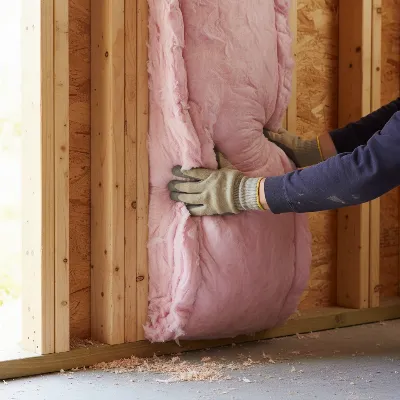 Fiberglass batt insulation being installed between wall studs of a wooden shed for winter warmth and energy efficiency
Rigid Foam Boards (PIR, Polystyrene, XPS)
Rigid foam boards, such as Polyisocyanurate (PIR), Extruded Polystyrene (XPS), and Expanded Polystyrene (EPS), are highly effective insulators. They boast excellent R-values per inch, are moisture-resistant, and are relatively easy to cut and fit. PIR boards, often foil-backed, offer superior thermal performance and an additional vapor barrier, making them a popular choice for floors, walls, and roofs. While generally more expensive than fiberglass, their durability and high performance can be a worthwhile investment, especially in areas with extreme temperatures.
Mineral Wool
Also known as stone wool or rockwool, mineral wool is similar to fiberglass but is denser and stiffer. It’s made from melted slag and stone, spun into fibers. Mineral wool offers superior moisture resistance, excellent fire resistance, and very good soundproofing qualities, making it ideal for sheds used as workshops or in humid climates. It’s generally less irritating to handle than fiberglass but can be pricier.
Spray Foam Insulation (Open-cell and Closed-cell)
Spray foam insulation offers the highest levels of thermal resistance and air sealing. It expands to fill every crack and crevice, creating an airtight barrier. Closed-cell spray foam is denser, more stable, and effectively restricts both moisture and airflow, boasting an impressive R-value of 6-6.5 per inch. Open-cell spray foam is less dense and less expensive but still provides excellent insulation. While highly effective, spray foam is typically the most expensive option and often requires professional installation due to specialized equipment and safety considerations.
Reflective Foil and Bubble Wrap
These materials are more budget-friendly and primarily work by reflecting radiant heat. Reflective foil insulation is excellent for controlling condensation, particularly in metal sheds, and can help keep sheds cooler in summer. However, it has a low standalone R-value, meaning it’s not highly effective at retaining warmth in cold climates unless paired with other insulation types. Foil-backed bubble wrap traps air in its bubbles, providing a simple barrier against heat loss. While easy to install with a staple gun, it offers minimal insulation compared to batts or boards and is best suited for sheds requiring only light insulation or as a supplemental layer.
> “The secret to effective shed insulation isn’t just about the R-value; it’s about a holistic approach that includes proper air sealing and moisture management. Even the best insulation won’t perform if air leaks are prevalent or if condensation accumulates within the walls.” – Jane Doe, Lead Engineer at GreenBuild Solutions
Step-by-Step Guide to Insulating Your Shed
Once you’ve prepared your shed and selected your materials, you’re ready to begin the insulation process, tackling each area strategically to maximize thermal performance.
1. Insulating the Floor
The floor is a major point of heat loss, as cold air can easily seep up from the ground.
- For raised sheds: Install rigid foam boards snugly between the floor joists. Ensure they fit tightly to eliminate air gaps. If your shed is elevated, you can also consider rigid foam or spray foam for under-shed skirting to block wind.
- For sheds on a slab or existing floors: Lay a breathable membrane across the entire floor to manage moisture. Then, cut and fit rigid foam boards on top of the membrane. Cover the insulation with a layer of plywood (OSB) or even old carpet for a finished, protective surface. Seal any seams or gaps in the plywood with caulk.
2. Insulating the Walls
Insulating the walls helps retain heat within the main living or storage space.
- For framed sheds: Measure the space between your wall studs. Cut fiberglass batts, mineral wool, or rigid foam boards to fit snugly between these studs. Push the insulation into place.
- Vapor Barrier: Over the insulation, staple a vapor barrier (like 6-mil plastic sheeting) to the studs. This prevents moisture from the inside of the shed from reaching the insulation and causing problems.
- Finishing: For a clean and protected finish, cover the insulated walls with plywood, OSB, MDF, or plasterboard. This also helps hold the insulation in place and provides a durable interior surface.
- For metal or plastic sheds without studs: You may need to adhere rigid foam boards directly to the interior walls using a strong, weather-resistant adhesive.
3. Insulating the Roof and Ceiling
Warm air rises, making the roof a critical area for insulation to prevent heat escape.
- Ventilation First: As mentioned in preparation, ensure adequate ventilation in the roof structure (e.g., soffit and ridge vents) before insulating to allow moisture to escape.
- Insulation Placement: For roofs with rafters, nail rigid foam board insulation to the underside of the ceiling rafters/joists, leaving a minimum 3.5-inch gap between the roof deck and the insulation for airflow. Do not use fiberglass batts directly between rafters without proper ventilation channels, as they can trap moisture.
- Damp-Proof Membrane: Fit a damp-proof membrane between the studs before placing insulation to further reduce moisture buildup.
- Finishing: Cover the insulated ceiling with plywood, OSB, or plasterboard for a finished look and added protection.
4. Doors and Windows
Even with walls, floors, and roofs insulated, poorly sealed doors and windows can negate much of your effort.
- Seal Gaps: Caulk around the frames of windows and doors.
- Weatherstripping: Apply weatherstripping around the edges of doors and operable windows to block drafts.
- Double Glazing: If possible, consider upgrading to double-glazed windows, which offer significantly better insulation than single panes. For a budget-friendly option, cover windows with plastic sheeting for an extra layer of protection.
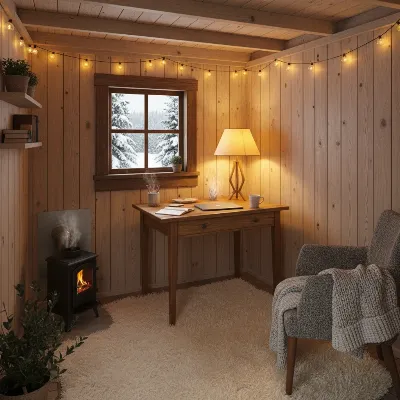 A cozy and well-insulated shed interior during winter, showcasing finished walls, a sturdy floor, and a warm atmosphere
Comparing Insulation Options and Costs
When deciding on the best insulation for your shed, balancing performance with budget is crucial. Here’s a detailed comparison of common materials:
| Material Type | R-Value (per inch, approx.) | Pros | Cons | Estimated Material Cost (per sq ft) |
|---|---|---|---|---|
| Fiberglass Batts | 3.1 – 3.4 | Affordable, widely available, easy DIY installation, good soundproofing | Requires vapor barrier, can absorb moisture, causes skin irritation | $0.30 – $0.60 |
| Mineral Wool | 3.7 – 4.2 | Excellent fire/moisture resistance, superior soundproofing | More expensive than fiberglass, heavier | $0.60 – $1.00 |
| Rigid Foam Boards | 3.8 – 6.5 | High R-value, moisture resistant, easy to cut, lightweight | Can be expensive, precise cutting needed for tight fit | $0.25 – $1.50 |
| Spray Foam | 3.5 (open-cell) – 6.5 (closed-cell) | Superior air seal, highest R-value, conforms to irregular spaces | Most expensive, often requires professional installation, messy | $0.80 – $3.00+ |
| Reflective Foil | Low (depends on air gap) | Excellent for radiant heat reflection, condensation control | Low thermal resistance alone, best paired with other insulation | $0.10 – $0.90 |
| Bubble Wrap | Very Low | Very cheap, easy to install | Minimal insulation value, easily damaged | $0.10 – $0.20 |
Note: Costs are estimates for materials only and can vary significantly based on location, brand, R-value, and thickness. Installation labor, if hiring professionals, will add substantially to the total cost.
Creative Uses for Your Winterized Shed
Once your shed is properly insulated, a whole new world of possibilities opens up for its use during the colder months. No longer just a cold storage unit, your winterized shed can become a functional and enjoyable extension of your home.
Transform it into a cozy winter workshop where you can pursue woodworking, crafts, or DIY projects without freezing your fingers. Add a small heater, good lighting, and a comfortable chair, and you have a dedicated space for creativity. For those working remotely, an insulated shed makes an ideal backyard office, providing a quiet, separate environment away from household distractions. Consider adding a small electric heater or even a wood-burning stove for maximum comfort.
Fitness enthusiasts can convert it into a home gym, allowing for workouts year-round regardless of the outdoor temperature. Store sensitive items like electronics, paint, or delicate plants that would otherwise be damaged by freezing conditions. Some creative individuals even turn their insulated sheds into a “she-shed” or “man cave,” a peaceful retreat for reading, gaming, or simply unwinding. With a little imagination, insulation can truly unlock the full potential of your shed, making it a valuable space for both practical needs and personal enjoyment.
Conclusion
Insulating your backyard storage shed for winter is a worthwhile endeavor that brings comfort, protection, and expanded functionality. By meticulously preparing the structure, choosing the right insulation materials for your specific needs and budget, and following a methodical installation process for the floor, walls, and roof, you can transform your shed into a warm, dry, and inviting space. Whether you envision a year-round workshop, a private office, or simply a safer haven for your belongings, a well-insulated shed stands ready to serve. What new possibilities will insulation unlock for your backyard retreat this winter?
Frequently Asked Questions
What R-value is recommended for shed insulation in cold climates?
For cold climates, aiming for an R-value of R-13 to R-19 for walls and R-19 to R-30 for roofs and floors is generally recommended to provide significant thermal resistance and keep your shed comfortably warm.
Can I insulate an existing shed, or is it better for new builds?
Yes, most existing sheds can be insulated effectively. The key steps involve sealing air leaks, repairing any structural damage, and then installing insulation materials like fiberglass batts or rigid foam boards between existing studs and joists.
Is a vapor barrier necessary when insulating a shed?
A vapor barrier is highly recommended, especially with fibrous insulation like fiberglass or mineral wool, and in climates with significant temperature differences. It prevents moisture from entering the insulation, which can lead to reduced effectiveness, mold, and rot.
How much does it typically cost to insulate a standard 10×12 shed?
The cost to insulate a standard 10×12 shed can vary widely, typically ranging from $500 to $1,500, depending on the chosen insulation materials, whether you DIY or hire professionals, and your local labor costs.
What are the cheapest insulation options for a shed?
For budget-conscious projects, options like foil-backed bubble wrap, recycled materials (e.g., old blankets, rugs, polystyrene packaging), or basic fiberglass batts can provide some level of insulation, though often with lower R-values.
How do I prevent condensation in an insulated shed?
To prevent condensation, ensure proper ventilation in your shed (e.g., soffit and ridge vents), use a vapor barrier on the warm side of your insulation, and maintain adequate air circulation within the shed space.
Can I use my insulated shed as a living space?
While insulation greatly improves comfort, converting a shed into a full-time living space typically involves additional requirements, such as plumbing, electrical, heating, and compliance with local building codes, which can be extensive.
